• Episodes
  • Topics
  • AMA
  • Science Digest
  • The Aliquot
  • Genetics
Sign in Become a member
Search
Back to episode

FoundMyFitness library

Related Episodes for How Sleep Loss Disrupts Glucose Regulation

Ranked by shared topics, with one result from each original episode.

171
Episode
Episode

PRESENTATION: Rhonda Speaks at the Orthomolecular Congress in Bussum, Netherlands

Jan 3, 2016

“Dr. Bruce Ames' Triage Theory Dr. Ames proposed that the body does a strategic rationing so that those proteins and enzymes in the body which are essential for short-term survival get their share of vitamins and minerals at the expense of other proteins and enzymes that are essential for long-term survival.”
nutrition vitamin d diet obesity
Play episode
172
Clip
Clip

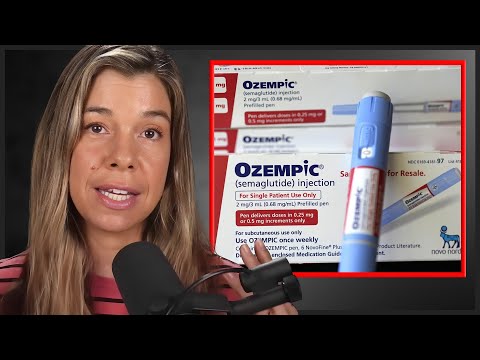
How GLP-1 Drugs Support Weight Loss and Their Tradeoffs

May 9, 2024

“Dr. Patrick also discusses STEP 5, in which two years of treatment produced about 15.2 percent loss versus 2.6 percent with placebo, with the curve leveling while participants remained on treatment. Dual GIP/GLP-1 therapy can produce still larger losses in some trials.”

metabolism rhonda insulin obesity
Watch clip
173
Clip
Clip

Prolonged fasting and fasting-mimicking preferentially deplete visceral fat rather than lean mass

Jul 15, 2019

“However, upon refeeding only lean muscle mass is regenerated. The overall result, a loss of visceral fat without depleting lean muscle mass, is a desirable feature of a prolonged fast, particularly for athletic performance.”

fasting exercise obesity performance
Watch clip
174
Aliquot Premium

Q&A Mashup #3: Fasting

Aug 16, 2020

“Specific topics include autophagy, the process of recycling dysfunctional cells that is induced by fasting and fasting-mimicking drugs such as resveratrol and spermidine. Rhonda discusses the effects of fasting on Parkinson's disease and which groups of people should not fast.”

aliquot parkinson's fasting autophagy
Duration: 2h 18m 52s
175
Q&A
Q&A Premium

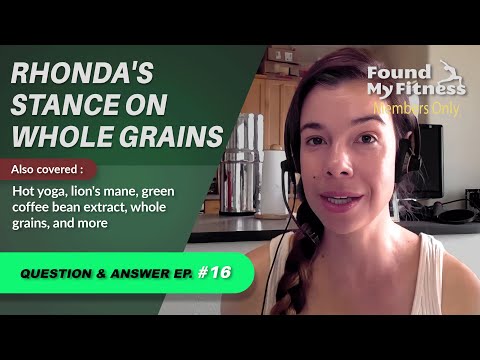
Q&A #16: Why Rhonda Limits Whole Grains—Glucose, Gluten, & Arsenic

Oct 3, 2020

Dr. Rhonda Patrick answers audience questions on various health, nutrition, and science topics in this Q&A session.

rhonda vitamin d brain microbiome
176
Q&A
Q&A Premium

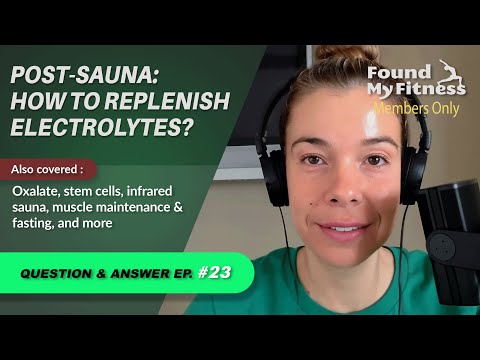
Q&A #23: Is Kale Healthy?—Oxalates, Thallium, & Kidney Stones

May 1, 2021

Dr. Rhonda Patrick answers audience questions on various health, nutrition, and science topics in this Q&A session.

rhonda exercise aging vitamin c
177
Q&A
Q&A Premium

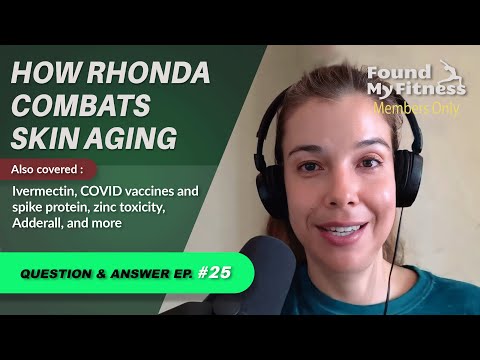
Q&A #25: COVID-19 Vaccines—Spike Protein, Ivermectin, & Pregnancy

Jul 10, 2021

Dr. Rhonda Patrick answers audience questions on various health, nutrition, and science topics in this Q&A session.

rhonda vitamin d heart disease pregnancy
178
Q&A
Q&A Premium

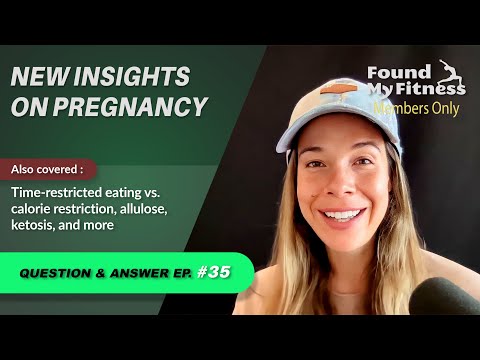
Q&A #35: Time-Restricted Eating and Muscle Loss—Plus Pregnancy Nutrition

Apr 30, 2022

Dr. Rhonda Patrick answers audience questions on various health, nutrition, and science topics in this Q&A session.

rhonda vitamin d exercise obesity
179
Q&A
Q&A Premium

Q&A #65: Are Food Emulsifiers Harmful to Gut and Metabolic Health?

Dec 7, 2024

Dr. Rhonda Patrick discusses Akkermansia muciniphila, vitamin B1's effect on blood sugar, emulsifiers in food, and electrolyte supplements.

rhonda exercise diet microbiome
180
Q&A
Q&A Premium

Q&A #66: GLP-1 Agonists Beyond Weight Loss—Brain, Heart, Addiction, & Muscle Preservation

Jan 4, 2025

Dr. Rhonda Patrick discusses GLP-1 agonists, alpha-lipoic acid, ubiquinone vs. ubiquinol, calcium needs, and liquid biopsy cancer screening.

rhonda cancer epigenetics diabetes
Load more related episodes

Explore More

  • Home
  • Episodes
  • Membership
  • The Aliquot
  • About
  • Healthspan Gear
  • Genetics

Our Mission

Promoting strategies to increase healthspan, well-being, cognitive and physical performance through deeper understandings of biology. Learn more about Dr. Rhonda Patrick.

Questions?

Send us a message here

Search

Follow us here

  • Instagram
  • Twitter
  • Facebook

Watch and listen

  • YouTube
  • Apple Podcasts
  • Spotify
This site is protected by reCAPTCHA and is subject to the Google Privacy Policy and Terms of Service, as well as our own Privacy Policy and Terms of Service.