Q&A
Q&A #4: Fasting, Autophagy, & Fat Loss—Plus the Carnivore Diet
Dr. Rhonda Patrick answers audience questions on various health, nutrition, and science topics in this Q&A session.

FoundMyFitness library
Ranked by shared topics, with one result from each original episode.
Q&A
Dr. Rhonda Patrick answers audience questions on various health, nutrition, and science topics in this Q&A session.
Q&A
Dr. Rhonda Patrick answers audience questions on various health, nutrition, and science topics in this Q&A session.
Q&A
Dr. Rhonda Patrick reviews the evidence for nattokinase, how oat beta-glucans may aid with PFAS excretion, and HRT for APOE4 carriers.
Clip
“Protein before or after exercise can support adaptation, while total daily intake matters most. Third, distribute protein across three or four meals, with older adults often needing 20–30 grams or more per meal, while there is no small hard ceiling.”
Clip
“In this clip from Q&A #70, Dr. Rhonda Patrick organizes cancer prevention around the largest modifiable foundations: avoid tobacco, maintain a healthy body composition, and stay physically active.”
Clip
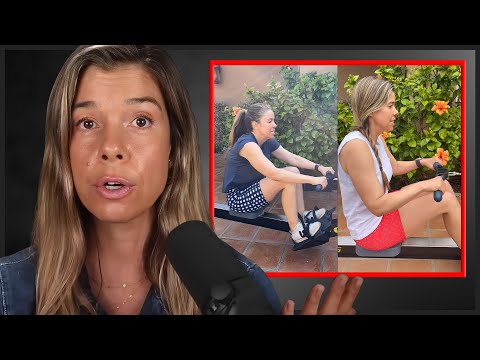
“In a small crossover trial involving people with insulin resistance, six one-minute intense intervals performed before the three main meals improved daily glucose control compared with one continuous 30-minute session.”
Episode
“In a previous episode, entitled "Maximizing Your Mitochondria with Magnesium," we learned that 45% of the US population is deficient in magnesium and the important role magnesium plays in mitochondrial function and how this relates to exercise performance by ensuring your muscle cells have the highest oxidative capacity (ability to produce ATP or "energy") possible.”
Clip
“Practicing healthy light exposure habits — seeking bright light in the morning and avoiding it in the evening — is crucial. When we eat also plays a role, and eating too close to bedtime disrupts sleep and shifts circadian timing over the next few days.”
Clip
“Dr. Brooks's exact practice of waking 96 minutes before dawn comes from the Vedic concept of Brahma Muhurta rather than a tested clinical protocol. Creatine may provide modest cognitive benefits in some settings, although results in healthy adults are mixed.”
Clip
“In more than 2,000 adults ages 51 to 80, higher Sitting-Rising Test scores were associated with longer survival, making floor-transfer ability a useful marker of functional capacity. Floor time can include cross-legged sitting, kneeling, side-sitting, or sitting with the legs extended.”