Q&A
Q&A #54: Can Glycine and Inositol Improve Sleep?—Plus Melatonin as an Antioxidant
Dr. Rhonda Patrick explores melatonin's antioxidant properties, curcumin supplementation, antinutrients, and SARMs in her latest Q&A.
FoundMyFitness library
Ranked by shared topics, with one result from each original episode.
Q&A
Dr. Rhonda Patrick explores melatonin's antioxidant properties, curcumin supplementation, antinutrients, and SARMs in her latest Q&A.
Q&A
Dr. Rhonda Patrick answers audience questions on various health, nutrition, and science topics in this Q&A session.
Q&A
Dr. Rhonda Patrick discusses microdosing nicotine, GlyNac benefits, intermittent fasting and hair loss, and cold & flu relief.
Q&A
Dr. Rhonda Patrick covers lithium microdosing, reducing homocysteine, aluminum's link to cancer, and beta-alanine and alpha-lipoic acid supplements.
Q&A
Dr. Rhonda Patrick discusses supplement timing, exercise timing, supplements in older adults, folic acid vs. folate, and hydrogen-rich water.
Q&A
Dr. Rhonda Patrick discusses nicotinamide riboside, biomarkers, belly fat loss, sex-specific health, curcumin & ashwagandha safety.
Q&A
Dr. Rhonda Patrick discusses organic produce, fasting-mimicking diets, sleep, sauna, sunscreens, red light therapy, reverse osmosis water, and fiber.
Episode
“In this episode, Rhonda gives a summary of the science of resveratrol including its effects in animals and humans, the mechanisms behind how it works, and the bottom line on resveratrol supplementation and safety. A few key moments... For a more in-depth timeline, as well as references for this episode, click the timeline tab. Learn more about resveratrol on our overview page”
Episode
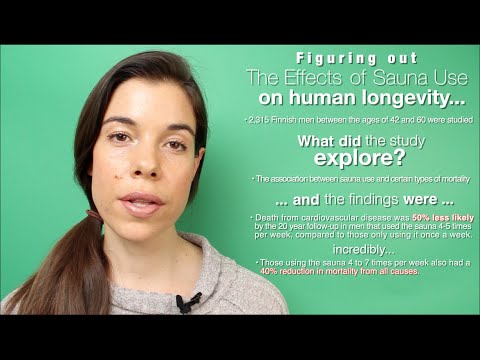
“In this video, Dr. Rhonda Patrick summarizes a recent study that found that frequency of sauna use was associated with increased decreased risk of death. Using the sauna 2-3 times per week was associated with 24% lower all-cause mortality and 4-7 times per week decreased all-cause mortality by 40%.”
Episode
“A staggering 60% of all calories Americans consume come from ultra-processed foods that fail to induce proper satiety, remain cheaper than whole foods, and hijack our dopamine reward pathways, pushing us to overeat, incentivizing unhealthy food choices, and reinforcing addictive eating behaviors.”