Q&A
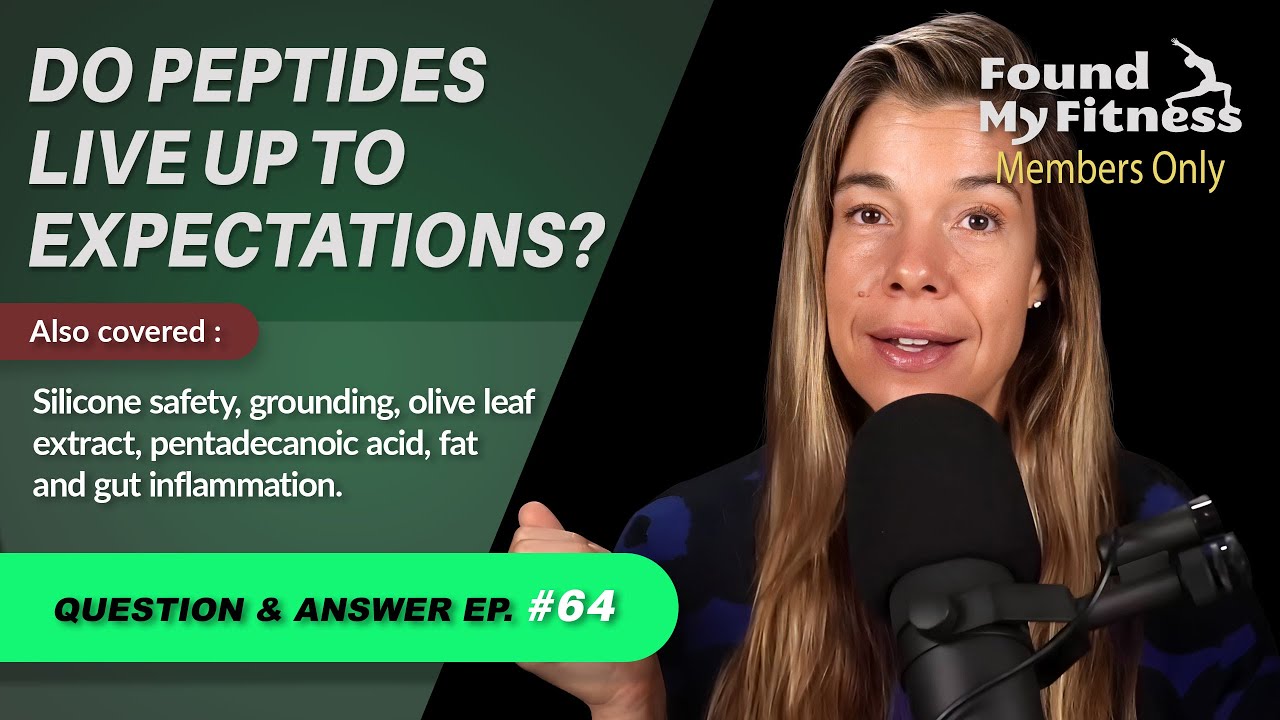
Q&A #64: Peptide Therapies—BPC-157, TB-500, & GHK-Cu
Dr. Rhonda Patrick discusses silicone safety, grounding, pentadecanoic acid, and the potential benefits of olive leaf extract and peptides.

Search could not finish. Try again.
Found 154 matches across the FoundMyFitness library.
Q&A
Dr. Rhonda Patrick discusses silicone safety, grounding, pentadecanoic acid, and the potential benefits of olive leaf extract and peptides.
“For example, whereas overexpression of SIRT1 suppresses tumor growth in colon cancer, its upregulation promotes tumor growth in gastric cancer. One or both copies of the SIRT3 gene is absent in 20 percent of all cancers, a figure that is doubled in breast and ovarian cancers.”
“The immune system has strategies for filtering these autoimmune cells out of circulation; however, this filter can malfunction due to age, genetic predisposition, disruption of the gut barrier and gut microbiota, or other environmental exposures.”
Q&A
Dr. Rhonda Patrick discusses urolithin A, postmenopausal protein, microplastics, high-temperature saunas, sugar intake, and supplements for Parkinson's disease.
Q&A
Dr. Rhonda Patrick answers audience questions on various health, nutrition, and science topics in this Q&A session.
Q&A
Dr. Rhonda Patrick discusses cancer prevention, linoleic acid, shingles vaccine and dementia, creatine's kidney effects, and shares her overnight oats recipe.
Episode
“For example, while vitamin C acts primarily as an antioxidant at physiological concentrations of approximately 50 micromoles per liter, pharmacologic doses of intravenous vitamin C greater than 1 gram generate hydrogen peroxide, a type of reactive oxygen species produced by neutrophils to destroy pathogens such as viruses.”
“In this Aliquot, I break down what the research tells us about glyphosate exposure in farming communities versus the general population, explore how it may lead to DNA damage, and share practical strategies for reducing exposure—starting with your grocery list.”
“Cancer Whether resveratrol may be beneficial for the treatment of cancer in humans is not currently known; however, numerous in vivo rodent studies have shown the potential of resveratrol for the treatment of pancreatic, prostate, colorectal, liver and breast cancer.”
Q&A
Dr. Rhonda Patrick answers audience questions on various health, nutrition, and science topics in this Q&A session.
Results 101–110 of 154
Premium Members received this study with Rhonda’s practical commentary and 8+ other hand-picked papers. Get the Science Digest delivered every other week.
Every other week our Premium Members receive deep dives like this alongside Rhonda's commentary and 8+ other hand-picked papers.