Q&A
Q&A #42: How to Lower ApoB—and Can Hyperbaric Oxygen Improve Health?
Dr. Rhonda Patrick answers audience questions on various health, nutrition, and science topics in this Q&A session.
Search could not finish. Try again.
Found 226 matches across the FoundMyFitness library.
Q&A
Dr. Rhonda Patrick answers audience questions on various health, nutrition, and science topics in this Q&A session.

Q&A
Dr. Rhonda Patrick answers audience questions on various health, nutrition, and science topics in this Q&A session.
Q&A
Dr. Rhonda Patrick answers audience questions on various health, nutrition, and science topics in this Q&A session.
Q&A
Dr. Rhonda Patrick explores taurine's longevity role, cocoa flavanols, training adaptations, and oral hyaluronic acid in a Q&A.
Clip
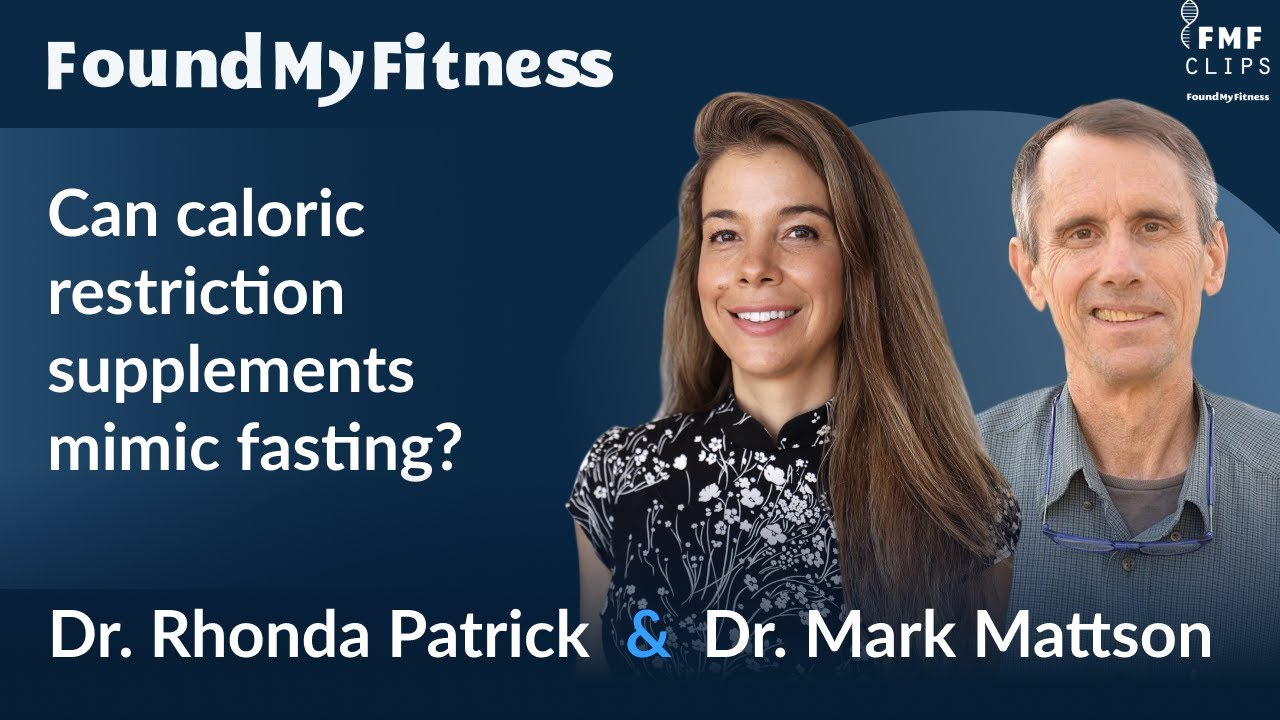
“Dr. Mattson cautions against relying on mimetics; rather he recommends exercising, fasting, eating a healthy diet, and keeping the brain engaged as the best strategies for maintaining cognitive health. In this clip, Dr. Mark Mattson discusses the pros and cons of calorie restriction mimetics.”
Episode
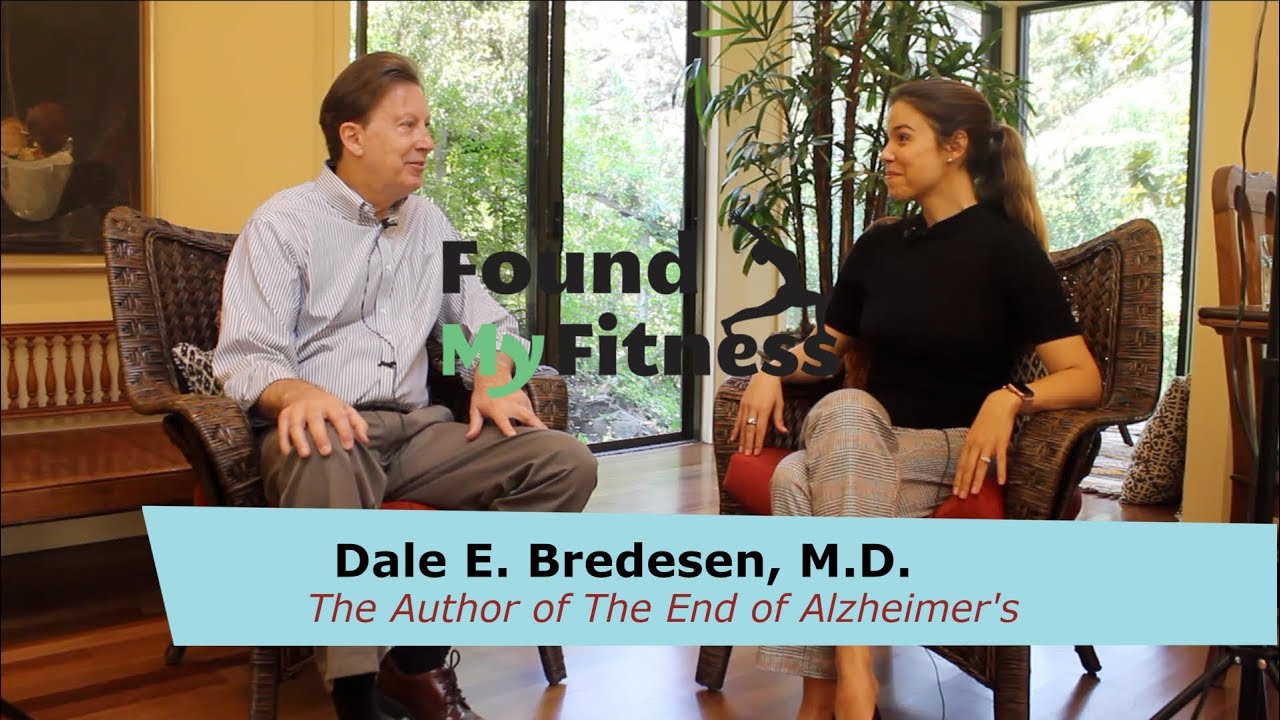
“00:20:21 - Some of the key blood-based biomarkers that are useful for tracking and projecting future cognitive health, including: homocysteine (<7μml/L preferred), which Dr. Bredesen indicates may be a mediator of cerebral atrophy, and also fasting insulin (<5% preferred), hemoglobin A1c, fasting glucose, vitamin D, and a number of other hormones relevant for trophic support.”
Episode
“In this video, Dr. Rhonda Patrick interviews Dr. Terry Wahls about how she reversed her secondary-progressive multiple sclerosis with a micronutrient-dense diet and Paleo principles.”
Q&A
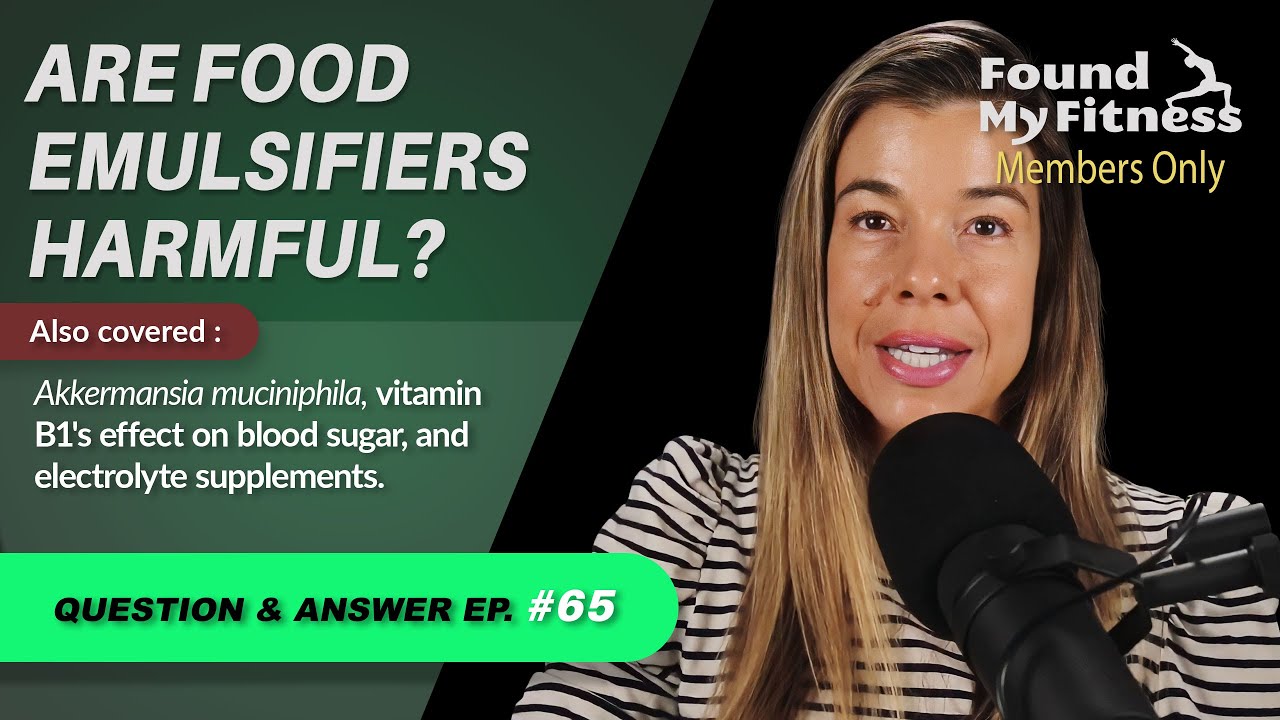
Dr. Rhonda Patrick discusses Akkermansia muciniphila, vitamin B1's effect on blood sugar, emulsifiers in food, and electrolyte supplements.
Clip
“The trial found selected changes in antioxidant capacity, immune-cell apoptosis, and inflammatory gene expression, while several main circulating oxidative-stress measures did not differ from plain water. Clinical findings remain modest and depend on the population and outcome.”
Episode
“A ketogenic diet, which is high in fat, moderate in protein, and low in carbohydrates, mimics fasting by inducing metabolic switching – the capacity to shift from metabolizing glucose to metabolizing fatty acids.”
Results 121–130 of 226
Premium Members received this study with Rhonda’s practical commentary and 8+ other hand-picked papers. Get the Science Digest delivered every other week.
Every other week our Premium Members receive deep dives like this alongside Rhonda's commentary and 8+ other hand-picked papers.