Q&A
Q&A #76: How Much Protein Do You Need—and Is Nightly Melatonin Safe?
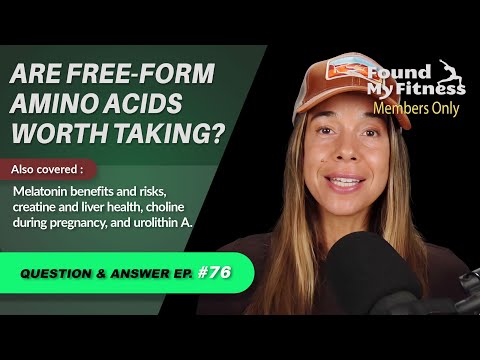
Dr. Rhonda Patrick discusses protein needs, choline in pregnancy, urolithin A, melatonin's benefits and risks, and creatine's effects on liver health.
FoundMyFitness library
Ranked by shared topics, with one result from each original episode.
Q&A
Dr. Rhonda Patrick discusses protein needs, choline in pregnancy, urolithin A, melatonin's benefits and risks, and creatine's effects on liver health.

Q&A
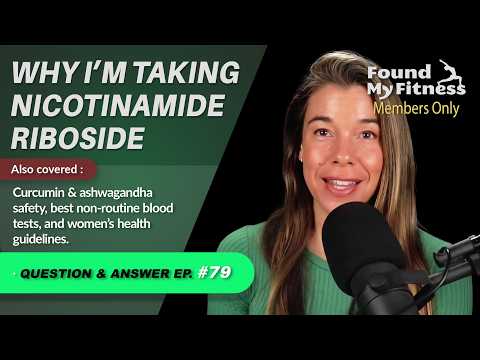
Dr. Rhonda Patrick discusses nicotinamide riboside, biomarkers, belly fat loss, sex-specific health, curcumin & ashwagandha safety.
Q&A
Dr. Rhonda Patrick answers audience questions on various health, nutrition, and science topics in this Q&A session.
Episode
“Whereas its link to diabetes is well known, what is likely underappreciated is that refined sugar may be linked to as many as 200,000 deaths worldwide each year from diabetes, cardiovascular disease, and cancer combined. Refined sugar also affects the brain.”
Episode
“In this episode, Rhonda gives a summary of the science of resveratrol including its effects in animals and humans, the mechanisms behind how it works, and the bottom line on resveratrol supplementation and safety. A few key moments... For a more in-depth timeline, as well as references for this episode, click the timeline tab. Learn more about resveratrol on our overview page”
Clip
“Clinical trials have unearthed evidence that is suggestive of the possibility that amyloid-beta build-up in the brain may be being attenuated, as well as an improvement in cognitive function in people with Alzheimer’s disease.”
Episode
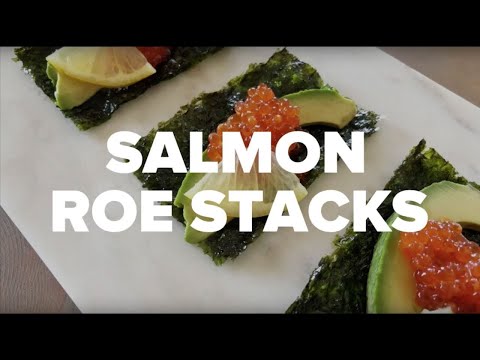
“Not only is salmon roe a good source of DHA, it also provides protein, vitamins, minerals, and astaxanthin – an antioxidant compound that gives salmon its reddish or pinkish tint. In human studies, astaxanthin reduces biomarkers of oxidative stress.”
Clip
“Exercise promotes the release of insulin-like growth factor-1 and its downstream targets, growth hormone and brain-derived neurotrophic factor, to drive muscle and neuron growth. Sauna use increases these factors, too, and when used post-exercise, may have a synergistic effect to improve cardiovascular, musculoskeletal, and neurological health.”
Episode
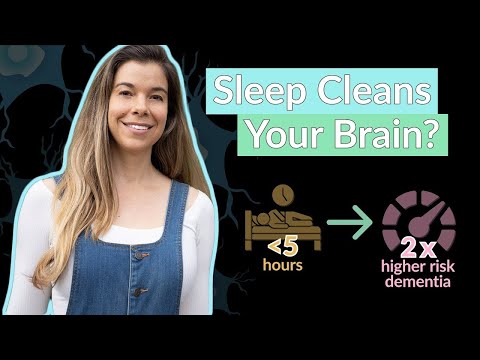
“Although scientists have identified other lifestyle behaviors that can help prevent the build-up of amyloid plaques by boosting the capacity for glymphatic clearance – such as exercise and adequate intake of omega-3 – the most important factor by far is a good night's sleep, especially deep sleep.”
Episode
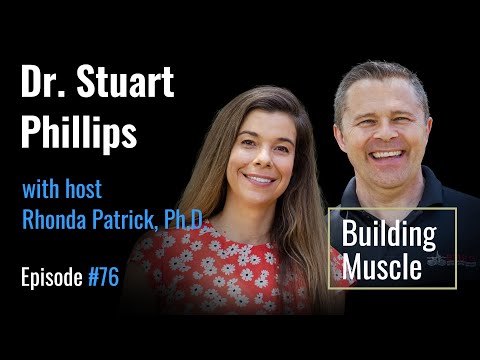
“Based on findings from more recent studies using stable isotopes, which more accurately assess muscle protein anabolism and catabolism, Dr. Phillips believes that eating 1.2 to 1.6 grams of protein per kilogram of bodyweight (about 0.5 to 0.7 grams per pound) is likely optimal for muscle protein synthesis, especially as one ages.”