Q&A
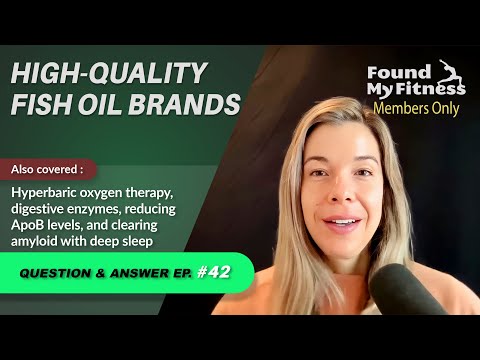
Q&A #42: How to Lower ApoB—and Can Hyperbaric Oxygen Improve Health?
Dr. Rhonda Patrick answers audience questions on various health, nutrition, and science topics in this Q&A session.
FoundMyFitness library
Ranked by shared topics, with one result from each original episode.
Q&A
Dr. Rhonda Patrick answers audience questions on various health, nutrition, and science topics in this Q&A session.
Q&A
Dr. Rhonda Patrick discusses silicone safety, grounding, pentadecanoic acid, and the potential benefits of olive leaf extract and peptides.
Q&A
“This is a personal preparation example, not the high-dose oat regimen used in clinical research or a measured 3-gram beta-glucan serving. For the research on LDL cholesterol, microbial metabolites, and oat preparation, see Oats and beta-glucan.”
Q&A
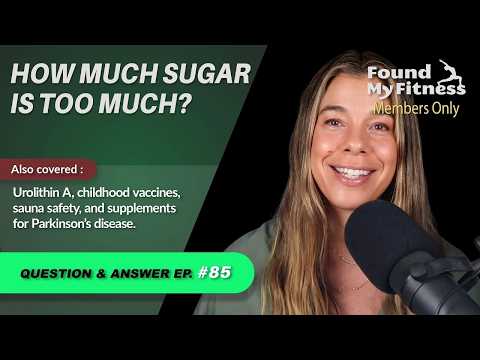
Dr. Rhonda Patrick discusses urolithin A, postmenopausal protein, microplastics, high-temperature saunas, sugar intake, and supplements for Parkinson's disease.
“In the setting of COVID-19, vitamin D deficiency drives poor outcomes. Treating patients with calcifediol, a prescription vitamin D analog, might be more effective at increasing vitamin D to therapeutic levels.”
“Having a healthy, robust immune system is crucial for our survival. Critical players in the body's antiviral immune response are interferons. Certain lifestyle behaviors can boost interferon production and immune function, including sleep, vitamin D, and hot hydrotherapy.”
“Airplanes are closed, cramped spaces that seem ideal for COVID-19 transmission. Even so, surprisingly few COVID-19 infections have been reported from air travel, likely due to measures like refreshing and recirculating cabin air through specialized filters.”
“While infection with the SARS-CoV-2 virus shares symptoms with the common cold and influenza such as sore throat, cough, and runny nose, there are critical differences in the severity and duration of COVID-19 illness.”
Clip
“Bacteriophage therapy, possibly using a cocktail of phages, could precisely perturb the microbiome, eliminating pathogenic species while leaving commensal species unscathed and circumventing antibiotic resistance.”
Clip
“Blood type is determined by what kind of antigens are presented on the outside of our blood cells. Blood can either be type A, B, AB, or O. Early data suggest that people with blood type A are at higher risk of developing COVID-19, but those with blood type O are at lower risk. In this clip, Dr. Rhonda Patrick describes the different blood types and how they influence immunity.”