Q&A
Q&A #25: COVID-19 Vaccines—Spike Protein, Ivermectin, & Pregnancy
Dr. Rhonda Patrick answers audience questions on various health, nutrition, and science topics in this Q&A session.
FoundMyFitness library
Ranked by shared topics, with one result from each original episode.
Q&A
Dr. Rhonda Patrick answers audience questions on various health, nutrition, and science topics in this Q&A session.
Q&A
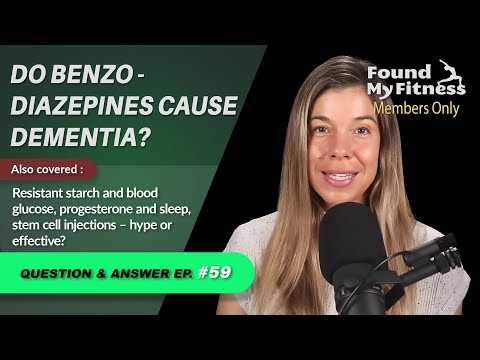
Dr. Rhonda Patrick discusses resistant starch, red light therapy risks, stem cells, and the link between benzodiazepines and dementia in her latest Q&A session.
Q&A
Dr. Rhonda Patrick discusses GLP-1 agonists, alpha-lipoic acid, ubiquinone vs. ubiquinol, calcium needs, and liquid biopsy cancer screening.
Clip
“Most common graying is strongly related to age and genetics, but selected observations suggest that stress, nutrient status, and cellular energy metabolism can influence pigment in some circumstances.”
Clip
“Chiefly, sleep deprivation triggers the onset of a "loneliness phenotype" by inducing critical changes within the brain that alter behavior and emotions, disturb metabolic processes, and influence the expression of immune-related genes.”
Clip
“The hydrolytic conversion of glucoraphanin to sulforaphane requires myrosinase, an enzyme co-located within the leaves, stems, and other components of the plants in which it is found. In humans, myrosinase-producing gut bacteria can convert unhydrolyzed glucosinolates to their cognate isothiocyanates, as well.”
Episode
“In this video, Dr. Rhonda Patrick interviews Dr. Terry Wahls about how she reversed her secondary-progressive multiple sclerosis with a micronutrient-dense diet and Paleo principles.”
Clip
“In a four-month randomized trial of 88 overweight, untrained middle-aged adults, daily doses of 500 or 1,000 milligrams improved some muscle and mitochondrial measures, while the primary outcome of peak power did not significantly improve.”
Clip
“In a controlled five-week crossover trial involving men with prediabetes, an early six-hour eating window with dinner before 3 p.m. improved insulin sensitivity, pancreatic beta-cell responsiveness, blood pressure, oxidative stress, and appetite without causing weight loss.”