• Episodes
  • Topics
  • AMA
  • Science Digest
  • The Aliquot
  • Genetics
Sign in Become a member
Search
Back to episode

FoundMyFitness library

Related Episodes for Buffering the Negative Effects of Chronic Stress with Meditation

Ranked by shared topics, with one result from each original episode.

151
Clip
Clip

How Creatine Dose Shapes Muscle and Brain Benefits

Nov 10, 2025

“High energy demand is a promising research setting. In a randomized crossover study of 15 healthy adults undergoing 21 hours of sleep deprivation, a single 0.35-gram-per-kilogram dose changed cerebral energy measures and improved selected cognitive outcomes.”
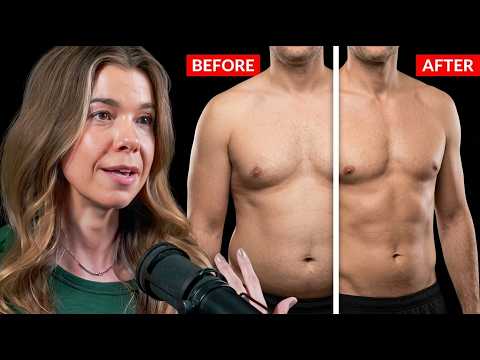
brain sleep performance rhonda
Watch clip
152
Clip
Clip

How Creatine Supports Muscle and Brain Energy

Feb 23, 2026

“A later crossover study using a lower weight-based dose found its clearest benefit in reasoning, while several memory, accuracy, fatigue, and sleepiness outcomes did not reliably improve. Routine muscle supplementation and acute sleep-loss research use different protocols.”

exercise brain aging sleep
Watch clip
153
Clip
Clip

How Exercise and Energy Balance Reduce Visceral Fat

Jun 1, 2026

“Time-restricted eating can help some people reduce eating opportunities, although a 12-month trial found no additional weight or body-fat benefit when an eight-hour eating window was added to calorie restriction. Sleep also affects appetite and fat distribution.”

exercise brain diet sleep
Watch clip
154
Clip
Clip

How Exercise and Sleep Support Immune Function With Age

Oct 29, 2025

“A systematic review in older adults linked Mediterranean dietary patterns with lower inflammatory markers, while a meta-analysis of randomized trials found that vitamin D supplementation reduced acute respiratory infection risk overall, with the strongest protection among people who were very deficient and received regular doses.”

nutrition exercise aging sleep
Watch clip
155
Clip
Clip

How Lactate Links Vigorous Exercise to Brain Health

Jan 7, 2026

“In 15 people with severe traumatic brain injury, sodium lactate infusion increased brain lactate, pyruvate, and glucose without raising intracranial pressure, and a randomized study in 60 patients with mild traumatic brain injury reported better cognitive recovery than hypertonic saline.”

exercise brain mitochondria rhonda
Watch clip
156
Clip
Clip

How Meal Composition May Affect Inflammation and Brain Fog

Mar 17, 2026

“Mouse studies of feeding during infection also found different responses across bacterial and viral models, so a minimally processed dietary pattern, regular exercise, and normal hydration and nutrition during illness provide a more useful foundation than one universal food or fasting rule.”

nutrition exercise brain omega-3
Watch clip
157
Clip
Clip

How much protein should you eat? Muscle growth vs. IGF-1 longevity concerns | Rhonda Patrick

Jul 15, 2019

“Whereas fasting turns off multiple pathways associated with aging, such as mTOR and IGF-1, eating for optimal fitness activates these important processes. The IGF-1 pathway, in particular, plays key roles in growth and is strongly associated with cancer.”

fasting aging hormones stem cells
Watch clip
158
Clip
Clip

How Omega-3 Status Relates to Inflammation, Muscle, and Longevity

Nov 27, 2023

“The excerpt also reviews controlled muscle studies: omega-3 attenuated loss during immobilization and increased the amino-acid-stimulated muscle-protein-synthesis response under tested conditions. These findings do not generalize to every dose or population.”

aging omega-3 inflammation pregnancy
Watch clip
159
Clip
Clip

How Omega-3s Support the Aging Brain

Sep 16, 2026

“In the prospective Framingham Offspring Study, people in the highest red-blood-cell DHA group had approximately 49 percent lower risk of developing Alzheimer's disease than those in the lowest group.”

brain alzheimer's aging omega-3
Watch clip
160
Clip
Clip

How Stimulus Control Retrains the Brain for Sleep

Oct 8, 2025

“It was associated with improved subjective sleep quality, sleep efficiency, and sleep latency. In practice, separating scrolling, worrying, and other wakeful activities from the bed reduces opportunities to rehearse wakefulness there, while getting up briefly removes the effort to force sleep.”

sleep stress circadian rhythm behavior
Watch clip
Load more related episodes

Explore More

  • Home
  • Episodes
  • Membership
  • The Aliquot
  • About
  • Healthspan Gear
  • Genetics

Our Mission

Promoting strategies to increase healthspan, well-being, cognitive and physical performance through deeper understandings of biology. Learn more about Dr. Rhonda Patrick.

Questions?

Send us a message here

Search

Follow us here

  • Instagram
  • Twitter
  • Facebook

Watch and listen

  • YouTube
  • Apple Podcasts
  • Spotify
This site is protected by reCAPTCHA and is subject to the Google Privacy Policy and Terms of Service, as well as our own Privacy Policy and Terms of Service.