Q&A
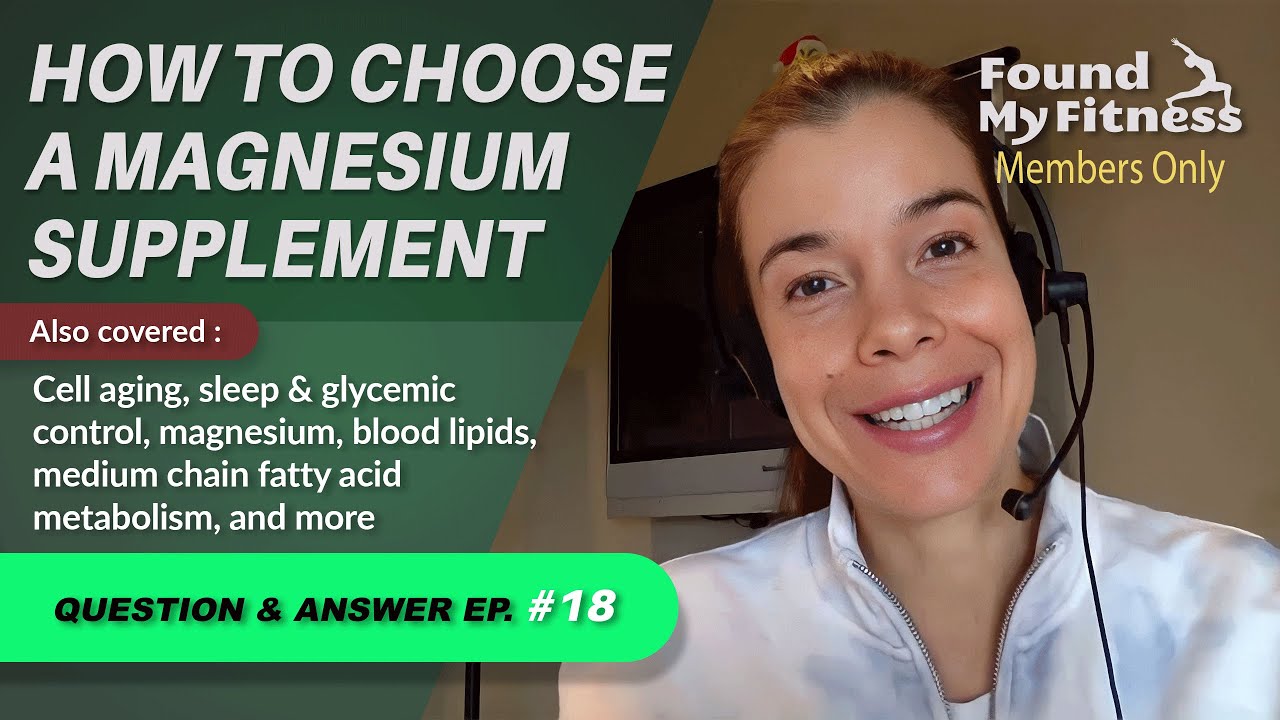
Q&A #18: How to Test Blood Lipids—and Which Magnesium Form Is Best?
Dr. Rhonda Patrick answers audience questions on various health, nutrition, and science topics in this Q&A session.
Search could not finish. Try again.
Found 110 matches across the FoundMyFitness library.
Q&A
Dr. Rhonda Patrick answers audience questions on various health, nutrition, and science topics in this Q&A session.
Q&A
Dr. Rhonda Patrick answers audience questions on various health, nutrition, and science topics in this Q&A session.

Q&A
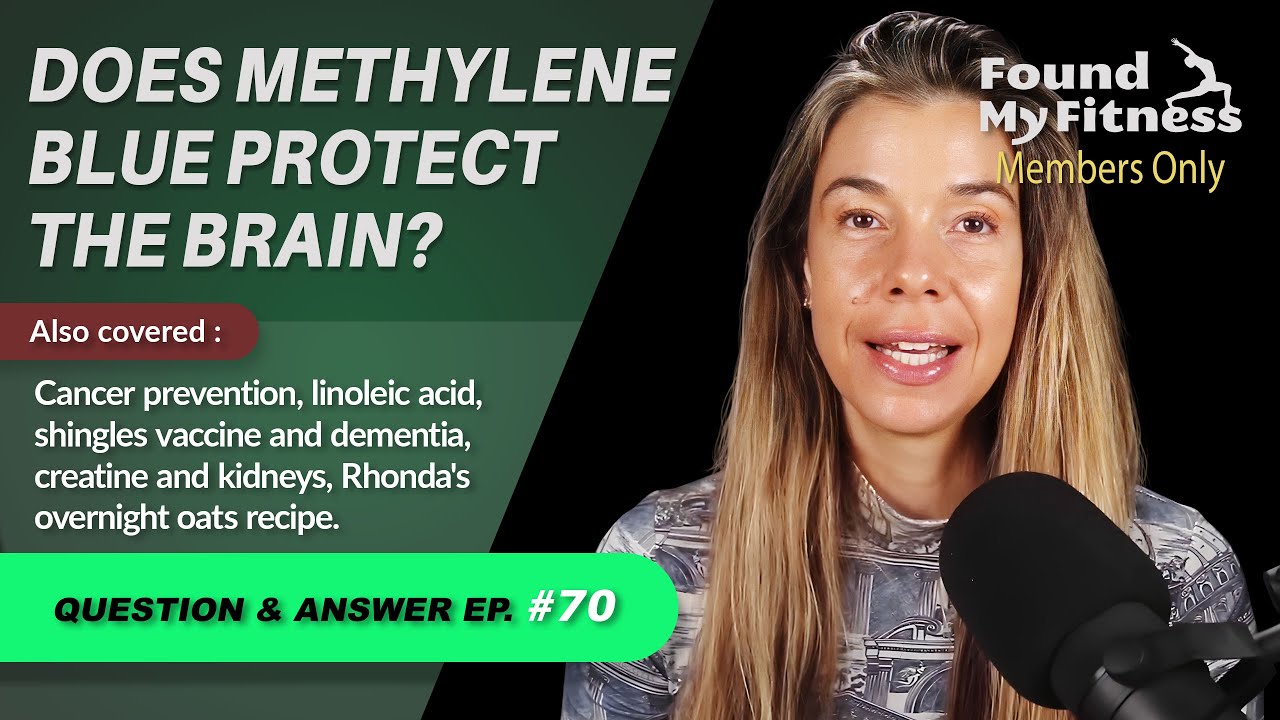
Dr. Rhonda Patrick discusses cancer prevention, linoleic acid, shingles vaccine and dementia, creatine's kidney effects, and shares her overnight oats recipe.
“Fell in love with biology as a consequence. Did cancer research at St. Jude for grad school and studied mitochondrial metabolism and apoptosis and their role in cancer survival. After grad school wanted to do clinical research for human relevance.”
Q&A
Dr. Rhonda Patrick answers audience questions on various health, nutrition, and science topics in this Q&A session.
Q&A
“More importantly, however, these effects were sustained – even after several months – demonstrating that sulforaphane did not exhaust the body's capacity to protect itself from environmental threats and suggesting that regular consumption of sulforaphane in foods or dietary supplements provides a kind of nutritional "seatbelt" that protects against future toxic exposures.”
Q&A
Dr. Rhonda Patrick answers audience questions on various health, nutrition, and science topics in this Q&A session.
Episode
“- Brad Schoenfeld, Ph.D. Highlighting a certain hypocrisy, Dr. Schoenfeld points out that while most parents won't blanch at their children participating in sports that are characterized by real risks of injury, they will often worry themselves unnecessarily about resistance training, which has fewer risks.”
Episode
“00:29:20 - Organs shrink during fasting and then regrow after refeeding. Study. 00:29:45 - Fasting stresses healthy cells so they increase their stress-response pathways, including heat shock proteins, antioxidant production, and anti-inflammatory.”
Episode
“Supplementing with oral DHEA (usually 25–50 mg per day) can meaningfully boost testosterone levels, potentially improving symptoms like low energy, quality of life, and libido; however, limited evidence exists for improvements in menopausal symptoms, sexual function, cognition, or overall well being in normal women without adrenal insufficiency.”
Results 101–110 of 110
Premium Members received this study with Rhonda’s practical commentary and 8+ other hand-picked papers. Get the Science Digest delivered every other week.
Every other week our Premium Members receive deep dives like this alongside Rhonda's commentary and 8+ other hand-picked papers.