Q&A
Q&A #48: Are Sunflower Oil and Soy Foods Harmful?—Plus Restoring Gut Health After Antibiotics
Dr. Rhonda Patrick answers audience questions on various health, nutrition, and science topics in this Q&A session.

Search could not finish. Try again.
Found 464 matches across the FoundMyFitness library.
Q&A
Dr. Rhonda Patrick answers audience questions on various health, nutrition, and science topics in this Q&A session.
“Mitochondrial health and overall health are intrinsically linked. Identifying ways to boost mitochondrial biogenesis – the formation of new mitochondria – ensures that cells maintain an adequate number of mitochondria to meet their energy needs.”
Q&A
Dr. Rhonda Patrick answers audience questions on various health, nutrition, and science topics in this Q&A session.
Q&A
Dr. Rhonda Patrick answers audience questions on various health, nutrition, and science topics in this Q&A session.
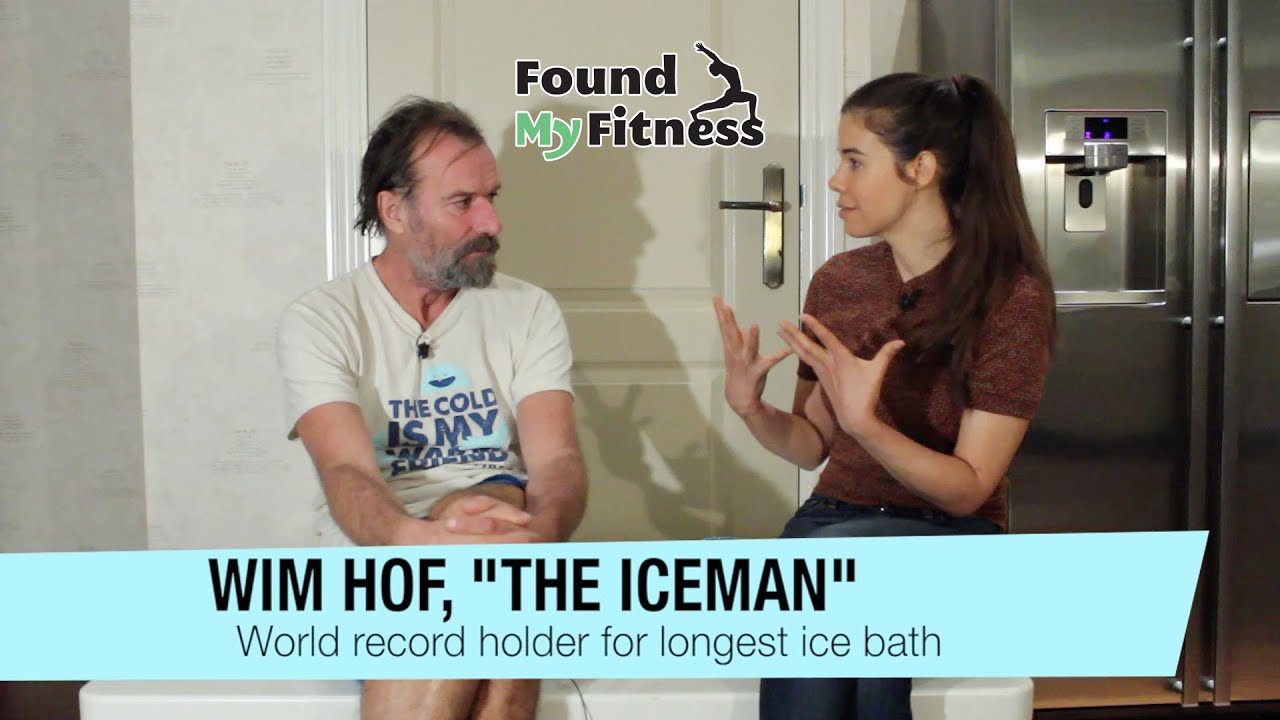
Episode
“Dr. Patrick and Wim talk a bit about Wim's back story that culminated in him trying out cold water immersion, the 2014 scientific publication of the “Wim Hof Method” which includes cold exposure during training, exposure to bacterial endotoxin, Wim's breathing techniques, and meditation.”
“Individual responses to diet can be influenced by a person's genetic makeup, however. Knowing a person's genetic factors influencing their response to diet may be beneficial component of a multi-part strategy developed in coordination with professional care for keeping ApoB in check.”
Episode
“There is so much to say when we talk about the NRF2 pathway and isothiocyanates like sulforaphane that we had to pack it into 47 minutes and break it into a few key sections. Key sections: For a more in-depth breakdown click the timeline link at the top of this page!”
“Online resources that combine healthful practices and feedback may be beneficial for some people with depression but tapping into the benefits of less modern practices may be beneficial, too. Ancient practices, such as heat exposure, long-distance running, and fasting may promote mental well-being.”
Q&A
“In a double-blind randomized trial of 191 adults with borderline-high cholesterol, 3 grams per day of high-molecular-weight oat beta-glucan—taken as 1 gram three times daily for four weeks—reduced LDL cholesterol by about 6% and estimated 10-year Framingham cardiovascular disease risk by about 8% compared with a rice-powder control.”
Episode
“The fascinating way Dr. Panda is using human anecdote from his trial to ask new scientific questions he wouldn't think to ask and then going back to animal data to figure it out and how this unique approach forms a sort of closed loop pattern: animal → human feedback → back to animal for mechanism.”
Results 421–430 of 464
Premium Members received this study with Rhonda’s practical commentary and 8+ other hand-picked papers. Get the Science Digest delivered every other week.
Every other week our Premium Members receive deep dives like this alongside Rhonda's commentary and 8+ other hand-picked papers.