Q&A
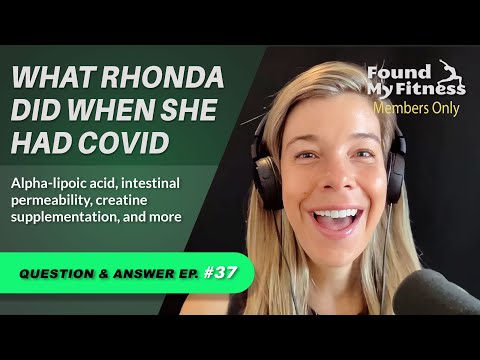
Q&A #37: Why ApoB Stays High—and How Omega-3s, Diet, & Gut Health May Lower It
Dr. Rhonda Patrick answers audience questions on various health, nutrition, and science topics in this Q&A session.

Search could not finish. Try again.
Found 161 matches across the FoundMyFitness library.
Q&A
Dr. Rhonda Patrick answers audience questions on various health, nutrition, and science topics in this Q&A session.

“01:50:45 - Study on prostate cancer found that alpha tocopherol and selenium didn't affect cancer incidence at 5-year followup but at 7.5 year follow-up cancer risk for prostate cancer shot up from taking 400 IU of alpha tocopherol (vitamin E) per day.”
“Lifestyle factors, such as exercise, nutrition, sleep, and others, can temper some of the risks associated with carrying APOE4. This Aliquot focuses on the ones that can have the greatest benefits – and the ones that do the most harm.”
Clip
“In a 12-week randomized trial of 291 adults exposed to substantial air pollution, a defined broccoli-sprout beverage increased urinary excretion of glutathione-linked metabolites by 61 percent for benzene and 23 percent for acrolein.”
Q&A
Dr. Rhonda Patrick answers audience questions on various health, nutrition, and science topics in this Q&A session.
Clip
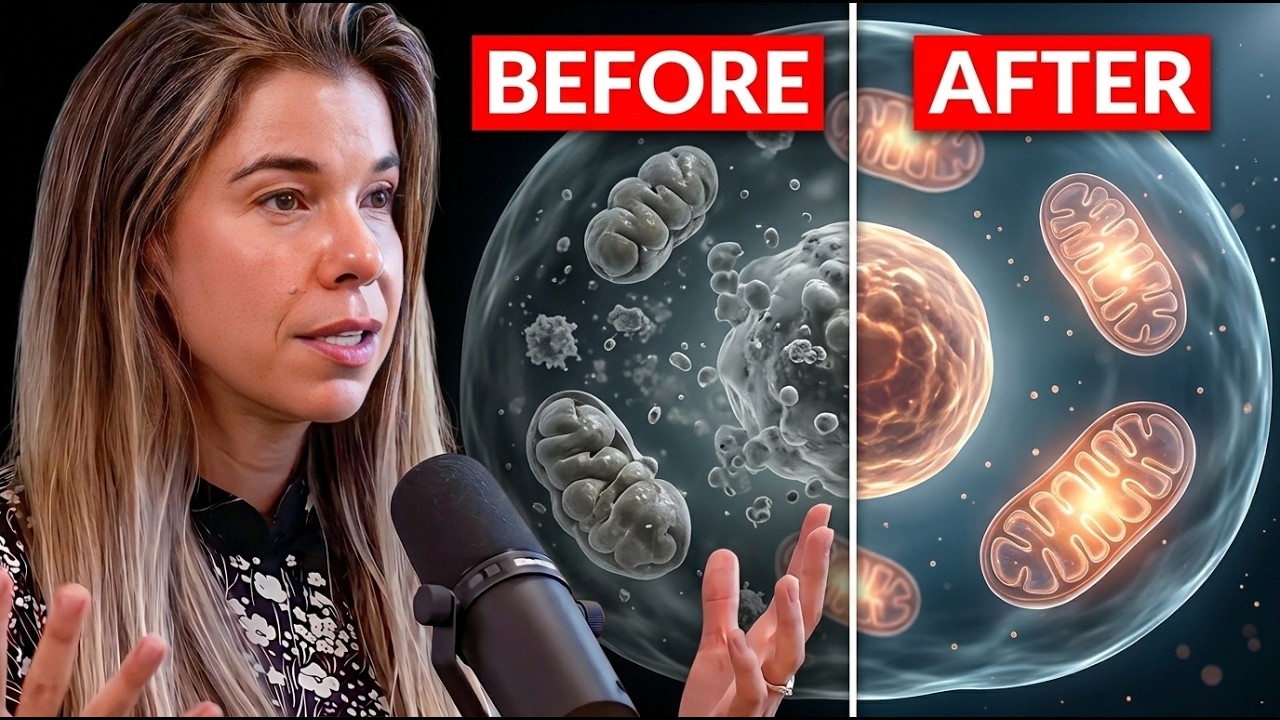
“In this clip from Dr. Rhonda Patrick's appearance on The Dan Bongino Show, she explains that the amount of EPA and DHA needed to change the Omega-3 Index varies with baseline status, body size, formulation, diet, and adherence.”
Clip
“A systematic review found that temperature, fat, acidity, contact time, and material composition can affect the migration of bisphenols and phthalates, supporting the use of glass or stainless steel for hot, oily, or acidic foods when practical.”
Q&A
Dr. Rhonda Patrick answers audience questions on various health, nutrition, and science topics in this Q&A session.
“In Aliquot #107, we heard from ten experts who shared how they put their knowledge into practice—applying insights from their own research and their colleagues to support their personal health and fitness.”
Clip
“The hydrolytic conversion of glucoraphanin to sulforaphane requires myrosinase, an enzyme co-located within the leaves, stems, and other components of the plants in which it is found. In humans, myrosinase-producing gut bacteria can convert unhydrolyzed glucosinolates to their cognate isothiocyanates, as well.”
Results 81–90 of 161
Premium Members received this study with Rhonda’s practical commentary and 8+ other hand-picked papers. Get the Science Digest delivered every other week.
Every other week our Premium Members receive deep dives like this alongside Rhonda's commentary and 8+ other hand-picked papers.