Q&A
Q&A #73: Can NAD+ Boosters Slow Aging?—Plus Urolithin A & Mitochondrial Health
Dr. Rhonda Patrick discusses iron imbalances, urolithin A, NAD+ boosters, vitamin K2 and hormone replacement therapy in women.
FoundMyFitness library
Ranked by shared topics, with one result from each original episode.
Q&A
Dr. Rhonda Patrick discusses iron imbalances, urolithin A, NAD+ boosters, vitamin K2 and hormone replacement therapy in women.

Q&A
Dr. Rhonda Patrick discusses nicotinamide riboside, biomarkers, belly fat loss, sex-specific health, curcumin & ashwagandha safety.
Q&A
Dr. Rhonda Patrick answers audience questions on various health, nutrition, and science topics in this Q&A session.
Clip
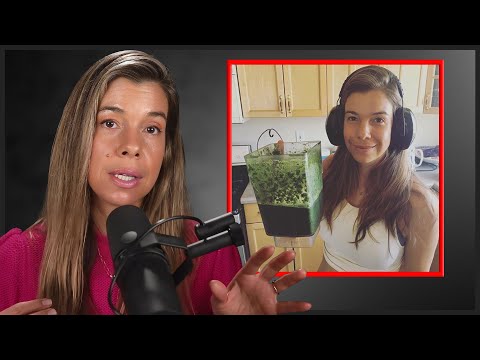
“The main ingredient-interaction evidence concerns polyphenol oxidase. A small controlled crossover study found that a high-PPO banana smoothie greatly reduced circulating flavan-3-ol metabolites compared with a low-PPO berry drink or capsule control.”
Clip
“In a small randomized crossover trial, a single high dose of creatine improved selected cognitive outcomes during acute sleep deprivation, adding context for her interest in higher doses during travel or sleep loss.”
Clip
“In this clip from Dr. Rhonda Patrick's appearance on The School of Greatness, she explains how she narrows a long supplement routine to three priorities: marine omega-3 fatty acids, vitamin D, and sulforaphane.”
Episode
“Diamandis and Robbins are a dynamic duo, having paired up with co-author Dr. Robert Hariri to write Life Force, a best-selling book that describes breakthroughs in precision medicine and health technologies that can help people live longer, healthier, more fulfilling lives – in the very near future.”
Clip
“In a randomized trial of resistance-trained women, an eight-hour eating window did not reduce gains in lean mass, muscle thickness, strength, or performance when energy and protein intake were matched and the participants completed supervised resistance training.”
Clip
“But evidence suggests that supplemental vitamin D in lactating women can increase breast milk concentrations to levels that are adequate to reduce the risk of deficiency in breastfed infants. In this clip, Dr. Rhonda Patrick describes the data suggesting that maternal supplemental vitamin D can reduce the risk of deficiency in breastfed infants.”
Clip
“Dr. Patrick links hypertension with cardiovascular disease and dementia risk and emphasizes magnesium-rich foods within a DASH-style pattern, including leafy greens, legumes, nuts, and whole grains. A meta-analysis found modest average blood-pressure reductions with supplemental magnesium.”