Q&A
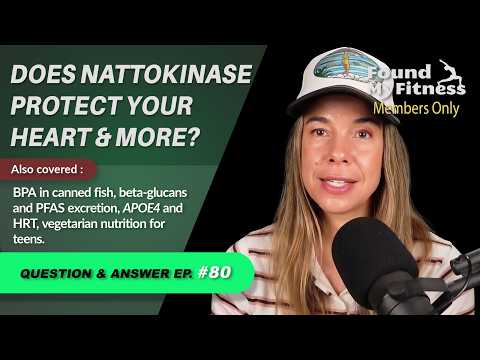
Q&A #80: Does Nattokinase Protect Your Heart?—What the Evidence Shows
Dr. Rhonda Patrick reviews the evidence for nattokinase, how oat beta-glucans may aid with PFAS excretion, and HRT for APOE4 carriers.
FoundMyFitness library
Ranked by shared topics, with one result from each original episode.
Q&A
Dr. Rhonda Patrick reviews the evidence for nattokinase, how oat beta-glucans may aid with PFAS excretion, and HRT for APOE4 carriers.
Q&A
“The discussion of fiber and nutrient or supplement absorption begins at 19:38. The Oats and beta-glucan topic provides the wider cholesterol evidence and explains why whole oats, beta-glucan powder, and psyllium should not be compared solely by their serving weights.”
Q&A
Dr. Rhonda Patrick discusses sunscreen safety, HIIT & brain health, diet, omega-3s, urolithin A, sulforaphane, homocysteine, peptides, and CoQ10.
Q&A
Dr. Rhonda Patrick answers audience questions on various health, nutrition, and science topics in this Q&A session.
Episode
“Whereas its link to diabetes is well known, what is likely underappreciated is that refined sugar may be linked to as many as 200,000 deaths worldwide each year from diabetes, cardiovascular disease, and cancer combined. Refined sugar also affects the brain.”
Episode
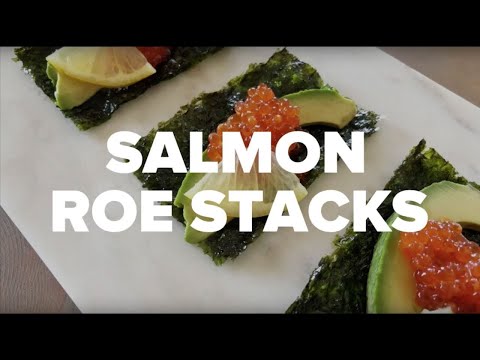
“Not only is salmon roe a good source of DHA, it also provides protein, vitamins, minerals, and astaxanthin – an antioxidant compound that gives salmon its reddish or pinkish tint. In human studies, astaxanthin reduces biomarkers of oxidative stress.”
Episode
“In the past, humans' primary exposure to blue light was from the sun, but in modern times, electronic devices – TVs, computer screens, and cell phones – expose us to increasing amounts of blue light, often during times of the day or night that are out of sync with our bodies' natural rhythms.”
Episode
“Ultimately, we all have to weigh the merits and the trade-offs of portable devices for ourselves and our children individually, but it might mean holding out on the tablet until they're a little older, setting rules around it, and certainly demonstrating our own self-discipline in their use.”
Episode
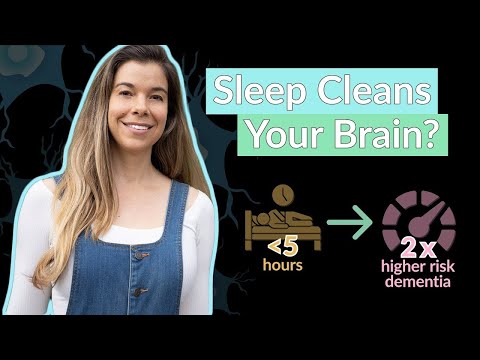
“Although scientists have identified other lifestyle behaviors that can help prevent the build-up of amyloid plaques by boosting the capacity for glymphatic clearance – such as exercise and adequate intake of omega-3 – the most important factor by far is a good night's sleep, especially deep sleep.”
Clip
“To look for functional mitochondrial effects, Dr. Attia uses controlled Zone 2 work while sampling lactate, with output near 2 mmol/L. He says statins have not produced the clear lactate-performance changes he sees with metformin.”