Q&A
Q&A #79: Why I’m Taking Nicotinamide Riboside—Safety, Uncertainty, & Cycling Concerns
Dr. Rhonda Patrick discusses nicotinamide riboside, biomarkers, belly fat loss, sex-specific health, curcumin & ashwagandha safety.
FoundMyFitness library
Ranked by shared topics, with one result from each original episode.
Q&A
Dr. Rhonda Patrick discusses nicotinamide riboside, biomarkers, belly fat loss, sex-specific health, curcumin & ashwagandha safety.
Q&A
“The discussion of fiber and nutrient or supplement absorption begins at 19:38. The Oats and beta-glucan topic provides the wider cholesterol evidence and explains why whole oats, beta-glucan powder, and psyllium should not be compared solely by their serving weights.”
Q&A
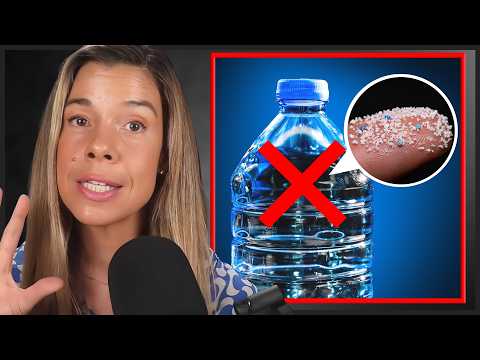
Dr. Rhonda Patrick discusses urolithin A, postmenopausal protein, microplastics, high-temperature saunas, sugar intake, and supplements for Parkinson's disease.
Clip
“Dr. Patrick recommends transferring food to glass or ceramic before heating and treating BPA-free labels cautiously because replacement chemicals can have their own biological activity.”
Episode
“This is a video on how to plausibly increase the sulforaphane created from the glucoraphanin in your broccoli sprouts by up to 3.5-fold, based on the results of a 2004 Phytochemistry paper entitled "Heating decreases epithiospecifier protein activity and increases sulforaphane formation in broccoli."”
Clip
“Human trials suggest that alpha-lipoic acid can modestly improve selected lipid measures. A dose-response meta-analysis of 12 studies found reductions in total cholesterol, LDL cholesterol, and triglycerides across doses from 300 to 1,200 milligrams per day.”
Clip
“In conjunction with a restricted eating window, meal frequency can also play a role. Two meals a day may be optimal for individuals who are predisposed to gaining weight while people not prone to weight gain may prefer to eat three times a day.”
Clip
“In a short controlled protocol in healthy young men, five nights of restricted sleep impaired glucose tolerance and muscle mitochondrial function, while participants who added high-intensity interval exercise did not show the same changes.”
Clip
“A national survey analysis estimated 2.6% severe deficiency, 22% moderate deficiency, and 40.9% insufficiency among US adults, although prevalence changes with the threshold used. These categories should remain distinct because insufficiency is not the same as clinical deficiency.”
Episode
“A 12-month randomized controlled trial found that vitamin D supplementation improved cognitive function, intelligence quotient scores, telomere length, and lowered oxidative stress markers in older adults with mild cognitive impairment (compared to placebo), suggesting that not only does vitamin D supplementation improve biomarkers of aging, but also functional outcomes.”