Q&A
Q&A #44: Should You Take NAC Daily—and Does Fish Oil Raise LDL?
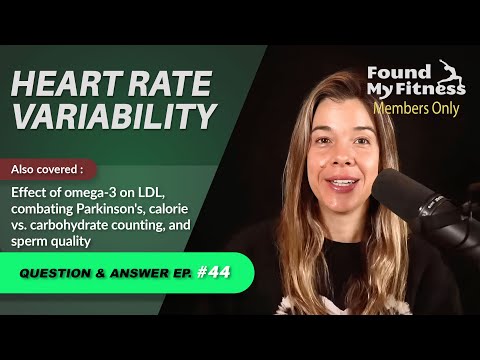
Dr. Rhonda Patrick answers audience questions on various health, nutrition, and science topics in this Q&A session.

FoundMyFitness library
Ranked by shared topics, with one result from each original episode.
Q&A
Dr. Rhonda Patrick answers audience questions on various health, nutrition, and science topics in this Q&A session.

Q&A
Dr. Rhonda Patrick answers audience questions on various health, nutrition, and science topics in this Q&A session.

Q&A
Dr. Rhonda Patrick answers audience questions on various health, nutrition, and science topics in this Q&A session.
Q&A
Dr. Rhonda Patrick answers audience questions on various health, nutrition, and science topics in this Q&A session.
Q&A
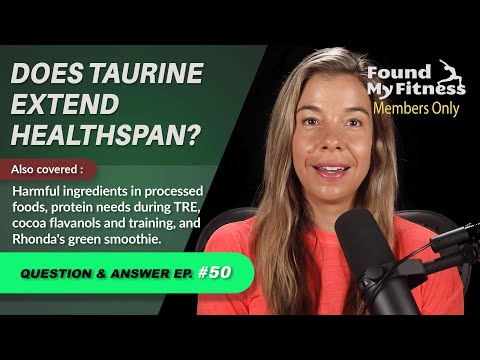
Dr. Rhonda Patrick explores taurine's longevity role, cocoa flavanols, training adaptations, and oral hyaluronic acid in a Q&A.
Q&A
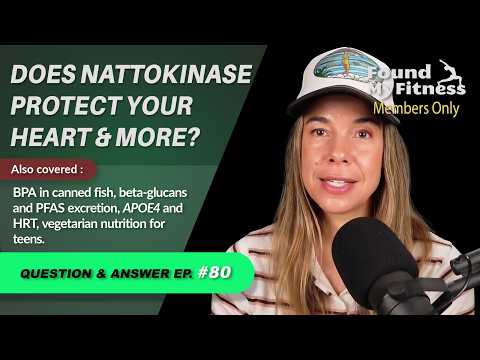
Dr. Rhonda Patrick reviews the evidence for nattokinase, how oat beta-glucans may aid with PFAS excretion, and HRT for APOE4 carriers.
Episode
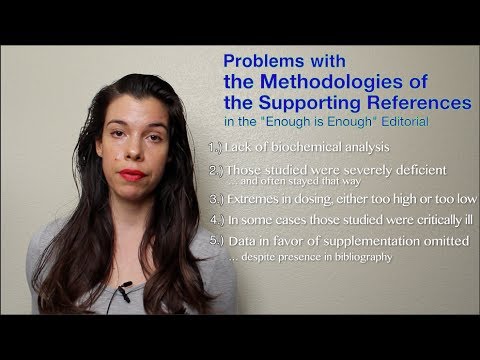
“In this podcast, we discuss and critically analyze a recent headline-grabbing editorial that was published in the Annals of Internal Medicine that reviewed three studies on the topic of multivitamins and chronic disease prevention. We analyze the important shortcomings of the studies and talk about the mechanism.”
Clip
“Dr. Patrick recommends transferring food to glass or ceramic before heating and treating BPA-free labels cautiously because replacement chemicals can have their own biological activity.”
Episode
“Whereas its link to diabetes is well known, what is likely underappreciated is that refined sugar may be linked to as many as 200,000 deaths worldwide each year from diabetes, cardiovascular disease, and cancer combined. Refined sugar also affects the brain.”
Episode
“Although the findings of a large meta-analysis published in the journal Annals of Internal Medicine indicated that there was no evidence to support the notion that consumption of saturated fat increased the risk of heart disease, the studies on which their conclusions were based were primarily observational.”