Q&A
Q&A #36: How Much Protein After 50?—Sources, Timing, & Leucine
Dr. Rhonda Patrick answers audience questions on various health, nutrition, and science topics in this Q&A session.
Search could not finish. Try again.
Found 740 matches across the FoundMyFitness library.
Q&A
Dr. Rhonda Patrick answers audience questions on various health, nutrition, and science topics in this Q&A session.
“In this episode, Rhonda gives a summary of the science of resveratrol including its effects in animals and humans, the mechanisms behind how it works, and the bottom line on resveratrol supplementation and safety. A few key moments... For a more in-depth timeline, as well as references for this episode, click the timeline tab. Learn more about resveratrol on our overview page”
Episode
“2003 According to Luc van Loon, 0.8 g/kg/day represents the minimum protein requirement to stay in nitrogen balance for a diet that is provided for 1–2 weeks, but this is not the protein requirement for optimal health, nor does it account for individual variations in protein needs due to age, physical activity levels, and health status.”
Episode
“As a founding principal investigator at Altos Lab, Dr. Levine sits at the frontier of aging research, where she and her colleagues are investigating what she describes as some of the most exciting research in the field, centered on interrupted cellular reprogramming.”
Episode
“In this video Dr. Rhonda Patrick interviews Dr. Bruce Ames about his triage theory, which he proposes that the body has developed a rationing response to shortages of micronutrients (vitamins and minerals) throughout evolution.”
Episode
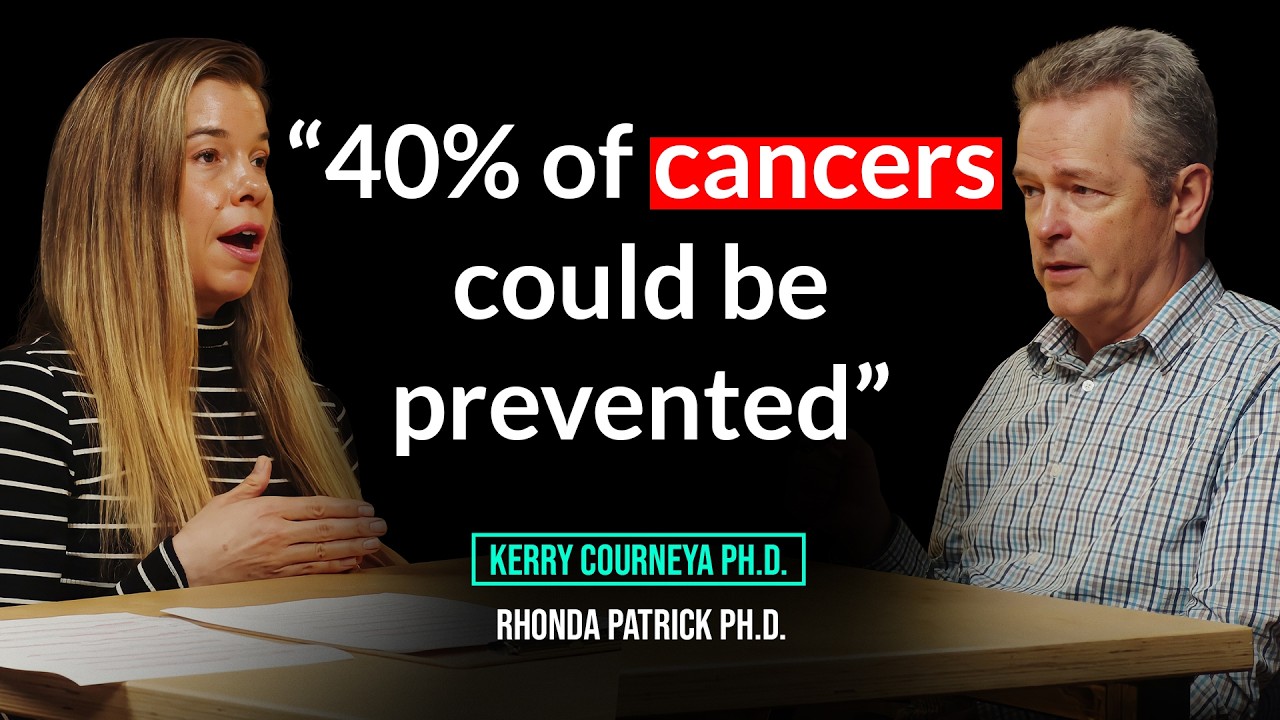
“While it won't eliminate genetic susceptibility, studies suggest that it can delay onset and reduce overall risk, even in those predisposed to cancer—engaging in 1–4 and more than 7 hours per week of leisure-time physical activity reduces the risk of breast cancer by 9% and 15%, respectively, in women with a family history of breast cancer.”
Episode
“Insulin secretion elicits a drop in blood glucose. Alcohol improves insulin sensitivity via anti-inflammatory mechanisms or by increasing levels of adiponectin. Some intervention studies report lower fasting insulin and improved HbA1c with moderate alcohol consumption.”
“Coffee consumption is associated with protection from several chronic diseases. Coffee's beneficial effects may stem from its ability to induce autophagy; however, other evidence points to the benefits of caffeine, which can reset the body's internal clocks in the morning.”
“This episode of the Aliquot features FoundMyFitness guests with expertise in fields including lipid metabolism, Alzheimer's disease, and micronutrient biochemistry sharing their recommendations regarding blood tests that a person should consider adding to their yearly checkup.”
Clip
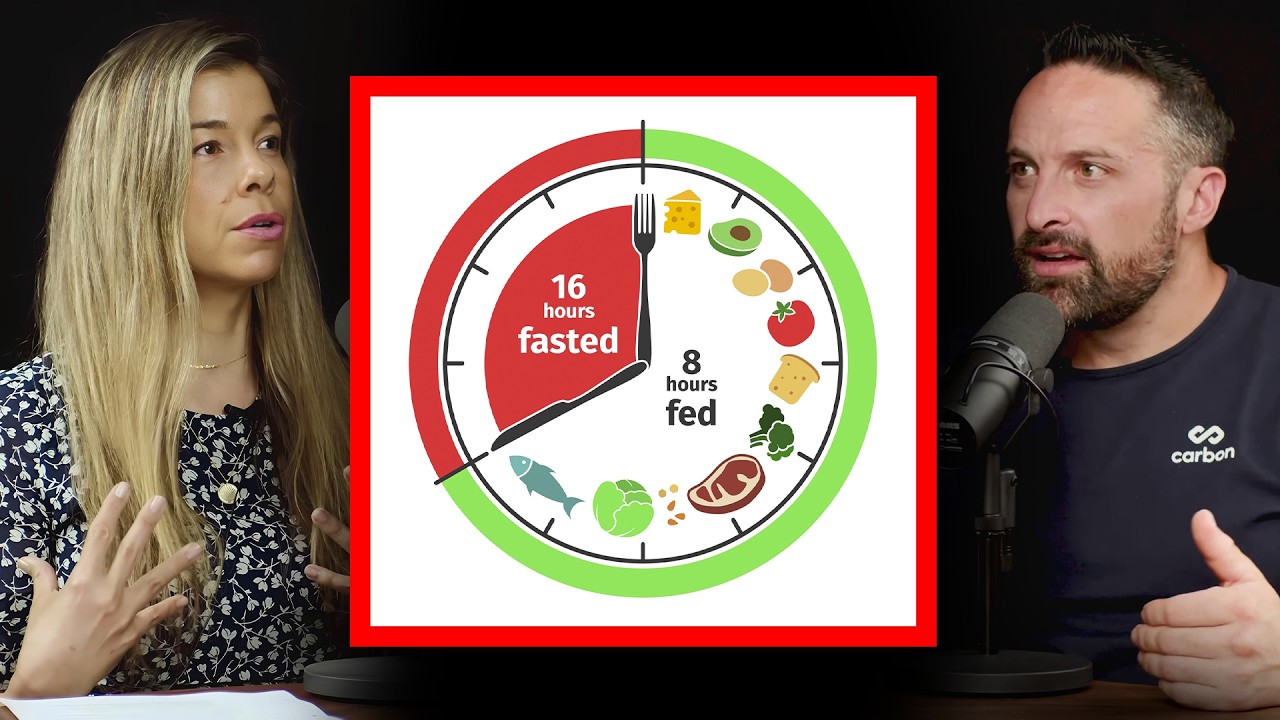
“Dr. Patrick raises autophagy as one proposed fasting mechanism, while Dr. Norton stresses that autophagy also occurs with energy restriction and exercise and is not unique to time-restricted eating. More autophagy is not uniformly beneficial in every tissue or disease context.”
Results 451–460 of 740
Premium Members received this study with Rhonda’s practical commentary and 8+ other hand-picked papers. Get the Science Digest delivered every other week.
Every other week our Premium Members receive deep dives like this alongside Rhonda's commentary and 8+ other hand-picked papers.