Q&A
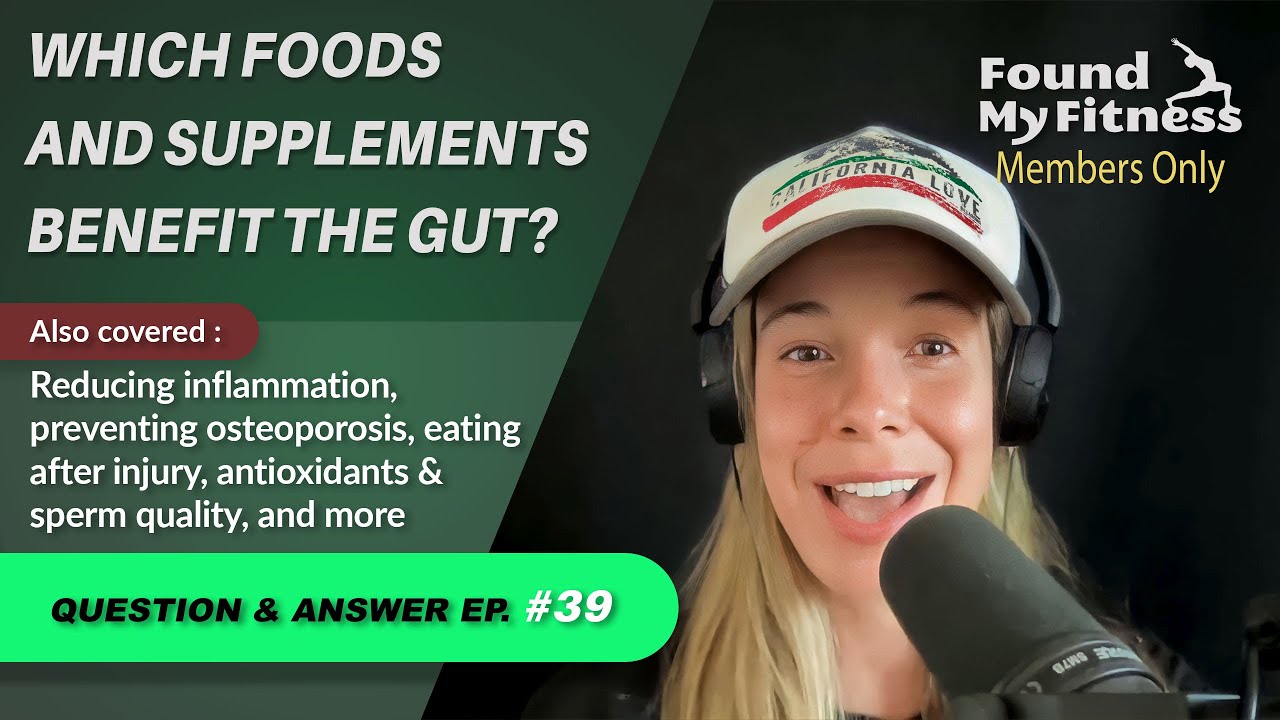
Q&A #39: How to Reduce Inflammation—Foods, Gut Health, Exercise, & Sauna
Dr. Rhonda Patrick answers audience questions on various health, nutrition, and science topics in this Q&A session.
Search could not finish. Try again.
Found 111 matches across the FoundMyFitness library.
Q&A
Dr. Rhonda Patrick answers audience questions on various health, nutrition, and science topics in this Q&A session.
Episode
“This study is one of the clearest human signals that NR may have anti‐inflammatory effects in a disease‐relevant tissue compartment, and supports the argument that NAD boosting might intersect with senescence/inflammation biology in chronic lung disease.”
Episode
“- Practical details like temperature and duration of sauna use, the difference between a dry, wet and infrared sauna, sauna timing, as well as other forms of heat stress such as steam showers, hot baths, and hot yoga.”
“These changes increase infection risk, weaken vaccine responses, and reduce early cancer surveillance. Yet immune aging is not fixed. Movement, sleep, stress regulation, temperature exposure, and nutrition shape immune cell balance and inflammatory activity over time.”
Clip
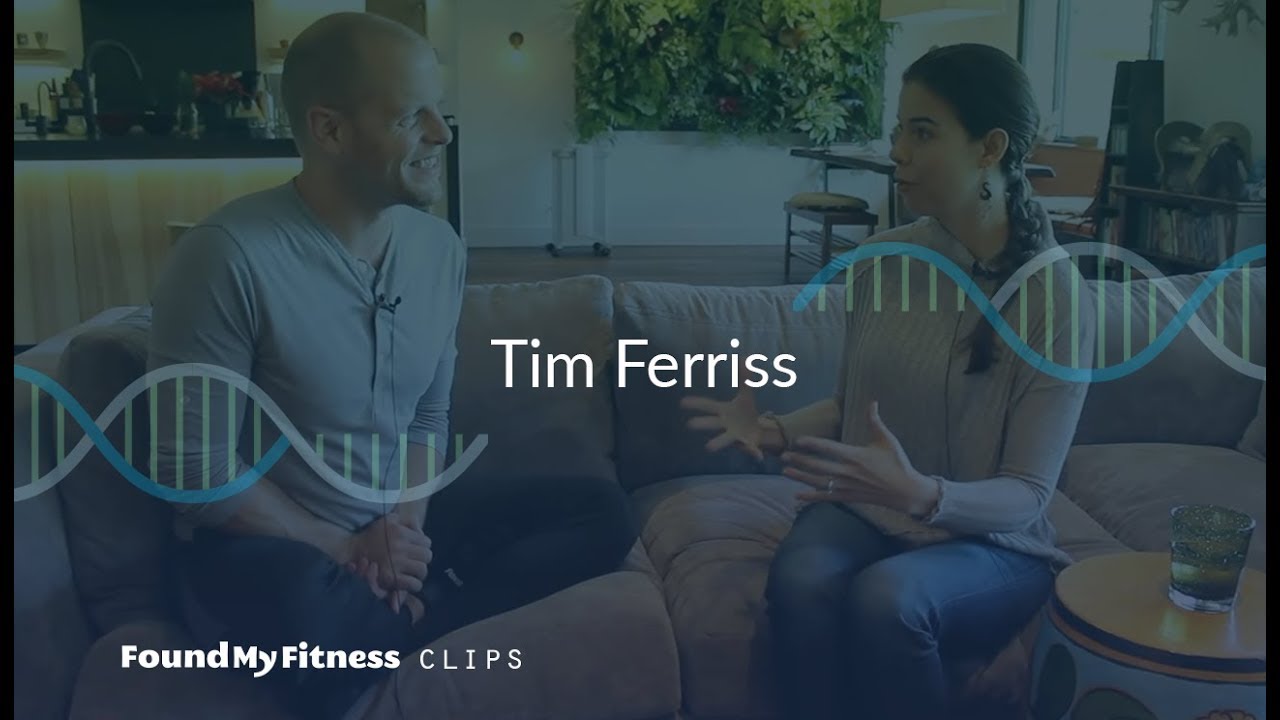
“Cancer cells have circumvented death; however, with a small prompt they can be induced to die. In this clip, Tim Ferriss and Dr. Rhonda Patrick discuss the potential use of intravenous vitamin C as a supportive factor in the treatment of cancer.”
Clip
“A systematic review in older adults linked Mediterranean dietary patterns with lower inflammatory markers, while a meta-analysis of randomized trials found that vitamin D supplementation reduced acute respiratory infection risk overall, with the strongest protection among people who were very deficient and received regular doses.”
Q&A
Dr. Rhonda Patrick answers audience questions on various health, nutrition, and science topics in this Q&A session.

“Scientists are exploring a wide range of cutting-edge therapies aimed at understanding and manipulating the complex processes underlying these hallmarks, including epigenetic aging clocks and pluripotent stem cells.”
Clip
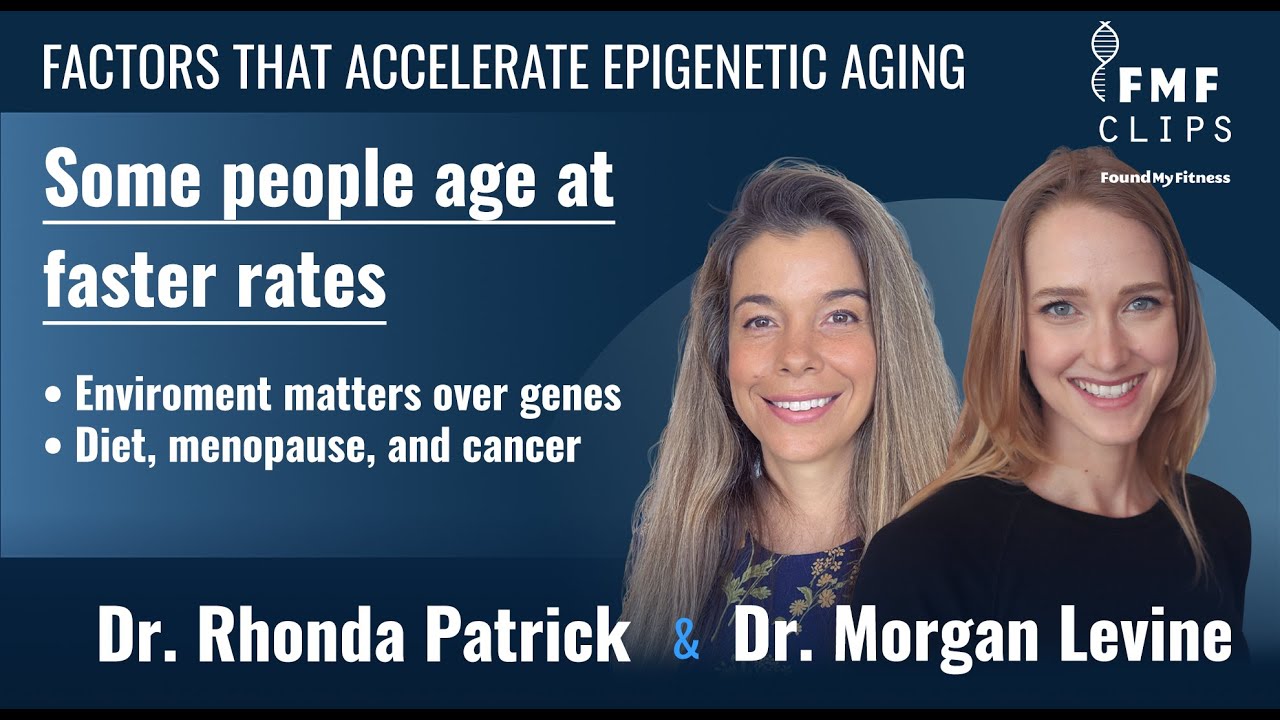
“In this clip, Drs. Levine and Patrick discuss genetic and environmental factors that can accelerate or slow epigenetic aging. Dr. Levine also discusses the aging clock she created and how it can be used, along with other biomarkers, to determine an individual's rate of aging.”
Q&A
Dr. Rhonda Patrick answers audience questions on various health, nutrition, and science topics in this Q&A session.
Results 61–70 of 111
Premium Members received this study with Rhonda’s practical commentary and 8+ other hand-picked papers. Get the Science Digest delivered every other week.
Every other week our Premium Members receive deep dives like this alongside Rhonda's commentary and 8+ other hand-picked papers.