Q&A
Q&A #49: How Can You Lower ApoB With APOE4—and Can You Slow or Reverse Gray Hair?
Dr. Rhonda Patrick answers audience questions on various health, nutrition, and science topics in this Q&A session.
FoundMyFitness library
Ranked by shared topics, with one result from each original episode.
Q&A
Dr. Rhonda Patrick answers audience questions on various health, nutrition, and science topics in this Q&A session.
Q&A
Dr. Rhonda Patrick explores taurine's longevity role, cocoa flavanols, training adaptations, and oral hyaluronic acid in a Q&A.
Q&A
Dr. Rhonda Patrick explores growth hormone secretagogues, spermidine's longevity role, methylene blue, whey protein, and solutions for scar tissue in a Q&A.
Q&A
Dr. Rhonda Patrick discusses resistant starch, red light therapy risks, stem cells, and the link between benzodiazepines and dementia in her latest Q&A session.
Q&A
Dr. Rhonda Patrick discusses fish oil and Afib risk, hyperbaric oxygen therapy, supplements for kids, and curcumin's impact on testosterone.
Q&A
Dr. Rhonda Patrick discusses if smoked salmon is carcinogenic, high-dose melatonin, creatine on workout vs. non-workout days, and the Neurocode brain scan.
Q&A
Dr. Rhonda Patrick discusses her supplement routine, Neu5Gc risks, Repatha and diabetes, heat stress, osteoporosis in men, and plyometrics.
Q&A
“The discussion of fiber and nutrient or supplement absorption begins at 19:38. The Oats and beta-glucan topic provides the wider cholesterol evidence and explains why whole oats, beta-glucan powder, and psyllium should not be compared solely by their serving weights.”
Q&A
Dr. Rhonda Patrick discusses urolithin A, postmenopausal protein, microplastics, high-temperature saunas, sugar intake, and supplements for Parkinson's disease.
Episode
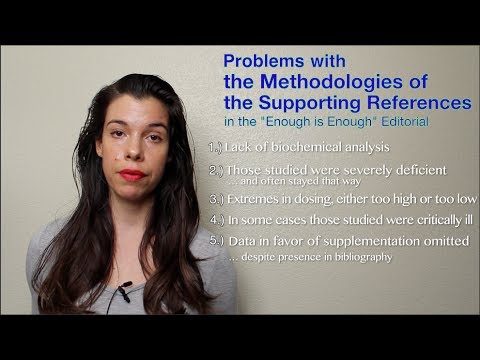
“In this podcast, we discuss and critically analyze a recent headline-grabbing editorial that was published in the Annals of Internal Medicine that reviewed three studies on the topic of multivitamins and chronic disease prevention. We analyze the important shortcomings of the studies and talk about the mechanism.”