Q&A
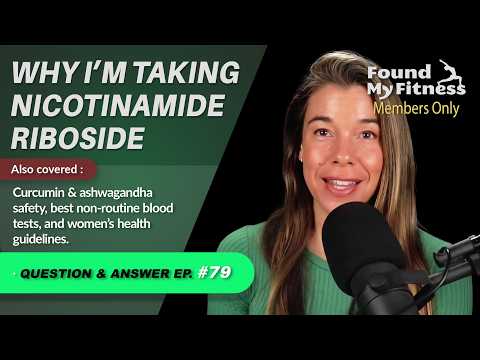
Q&A #79: Why I’m Taking Nicotinamide Riboside—Safety, Uncertainty, & Cycling Concerns
Dr. Rhonda Patrick discusses nicotinamide riboside, biomarkers, belly fat loss, sex-specific health, curcumin & ashwagandha safety.
FoundMyFitness library
Ranked by shared topics, with one result from each original episode.
Q&A
Dr. Rhonda Patrick discusses nicotinamide riboside, biomarkers, belly fat loss, sex-specific health, curcumin & ashwagandha safety.

Q&A
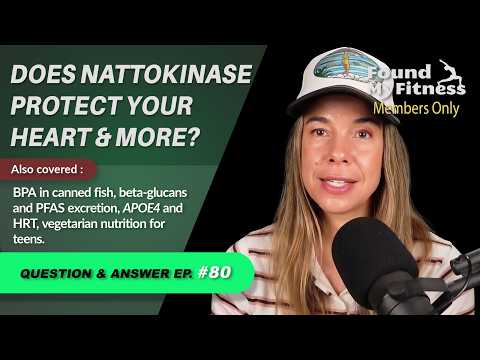
Dr. Rhonda Patrick reviews the evidence for nattokinase, how oat beta-glucans may aid with PFAS excretion, and HRT for APOE4 carriers.
Q&A
Dr. Rhonda Patrick discusses organic produce, fasting-mimicking diets, sleep, sauna, sunscreens, red light therapy, reverse osmosis water, and fiber.
Q&A
“The discussion of fiber and nutrient or supplement absorption begins at 19:38. The Oats and beta-glucan topic provides the wider cholesterol evidence and explains why whole oats, beta-glucan powder, and psyllium should not be compared solely by their serving weights.”
Q&A
Dr. Rhonda Patrick discusses urolithin A, postmenopausal protein, microplastics, high-temperature saunas, sugar intake, and supplements for Parkinson's disease.
Q&A
Dr. Rhonda Patrick answers audience questions on various health, nutrition, and science topics in this Q&A session.
Clip
“Exercise, weight management, tobacco avoidance, and alcohol reduction remain useful, but they complement rather than replace genetic counseling, enhanced surveillance, medication, or risk-reducing surgery when clinically indicated.”
Clip
“In this clip from Dr. Rhonda Patrick's appearance on The School of Greatness, she explains how she narrows a long supplement routine to three priorities: marine omega-3 fatty acids, vitamin D, and sulforaphane.”
Episode
“Not only is salmon roe a good source of DHA, it also provides protein, vitamins, minerals, and astaxanthin – an antioxidant compound that gives salmon its reddish or pinkish tint. In human studies, astaxanthin reduces biomarkers of oxidative stress.”
Episode
“People that used the sauna 2-3 times per week had a 20% lower risk of Alzheimer’s disease, and those that used the sauna 4-7 times per week had a 60% lower risk of Alzheimer's disease, compared to men that used the sauna 1 time per week.”