Q&A
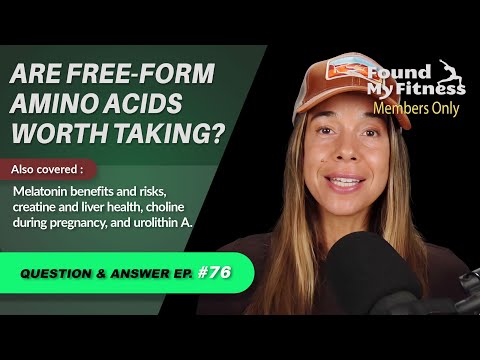
Q&A #76: How Much Protein Do You Need—and Is Nightly Melatonin Safe?
Dr. Rhonda Patrick discusses protein needs, choline in pregnancy, urolithin A, melatonin's benefits and risks, and creatine's effects on liver health.
FoundMyFitness library
Ranked by shared topics, with one result from each original episode.
Q&A
Dr. Rhonda Patrick discusses protein needs, choline in pregnancy, urolithin A, melatonin's benefits and risks, and creatine's effects on liver health.
Q&A
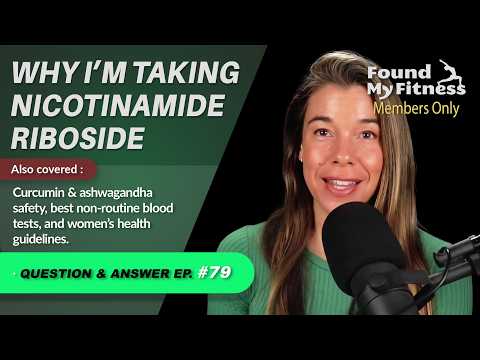
Dr. Rhonda Patrick discusses nicotinamide riboside, biomarkers, belly fat loss, sex-specific health, curcumin & ashwagandha safety.
Q&A
Dr. Rhonda Patrick answers audience questions on various health, nutrition, and science topics in this Q&A session.
Q&A
“The discussion of fiber and nutrient or supplement absorption begins at 19:38. The Oats and beta-glucan topic provides the wider cholesterol evidence and explains why whole oats, beta-glucan powder, and psyllium should not be compared solely by their serving weights.”
Q&A
Dr. Rhonda Patrick discusses urolithin A, postmenopausal protein, microplastics, high-temperature saunas, sugar intake, and supplements for Parkinson's disease.
Q&A
Dr. Rhonda Patrick answers audience questions on various health, nutrition, and science topics in this Q&A session.
Clip
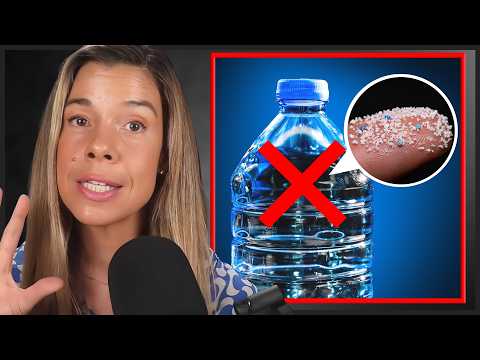
“Dr. Patrick recommends transferring food to glass or ceramic before heating and treating BPA-free labels cautiously because replacement chemicals can have their own biological activity.”
Episode
“This is a video on how to plausibly increase the sulforaphane created from the glucoraphanin in your broccoli sprouts by up to 3.5-fold, based on the results of a 2004 Phytochemistry paper entitled "Heating decreases epithiospecifier protein activity and increases sulforaphane formation in broccoli."”
Clip
“In conjunction with a restricted eating window, meal frequency can also play a role. Two meals a day may be optimal for individuals who are predisposed to gaining weight while people not prone to weight gain may prefer to eat three times a day.”
Clip
“Over the past decade, pharmacologists have begun recognizing that wellness practices, in addition to pharmaceutical drugs, may be incorporated into the treatment of depression. The Wild 5 protocol is an example of an online-based resource that combines exercise, nutrition, sleep, social connectedness, and mindfulness practices.”