Q&A
Q&A #13: How Can You Measure Fasting and Autophagy in Humans?
Dr. Rhonda Patrick answers audience questions on various health, nutrition, and science topics in this Q&A session.
Search could not finish. Try again.
Found 412 matches across the FoundMyFitness library.
Q&A
Dr. Rhonda Patrick answers audience questions on various health, nutrition, and science topics in this Q&A session.
Q&A
Dr. Rhonda Patrick discusses urolithin A, postmenopausal protein, microplastics, high-temperature saunas, sugar intake, and supplements for Parkinson's disease.
Q&A
Dr. Rhonda Patrick explores blood tests to track health, statin alternatives, mitochondrial supplements, and vitamin B12 and autism risk in her latest Q&A.
Clip
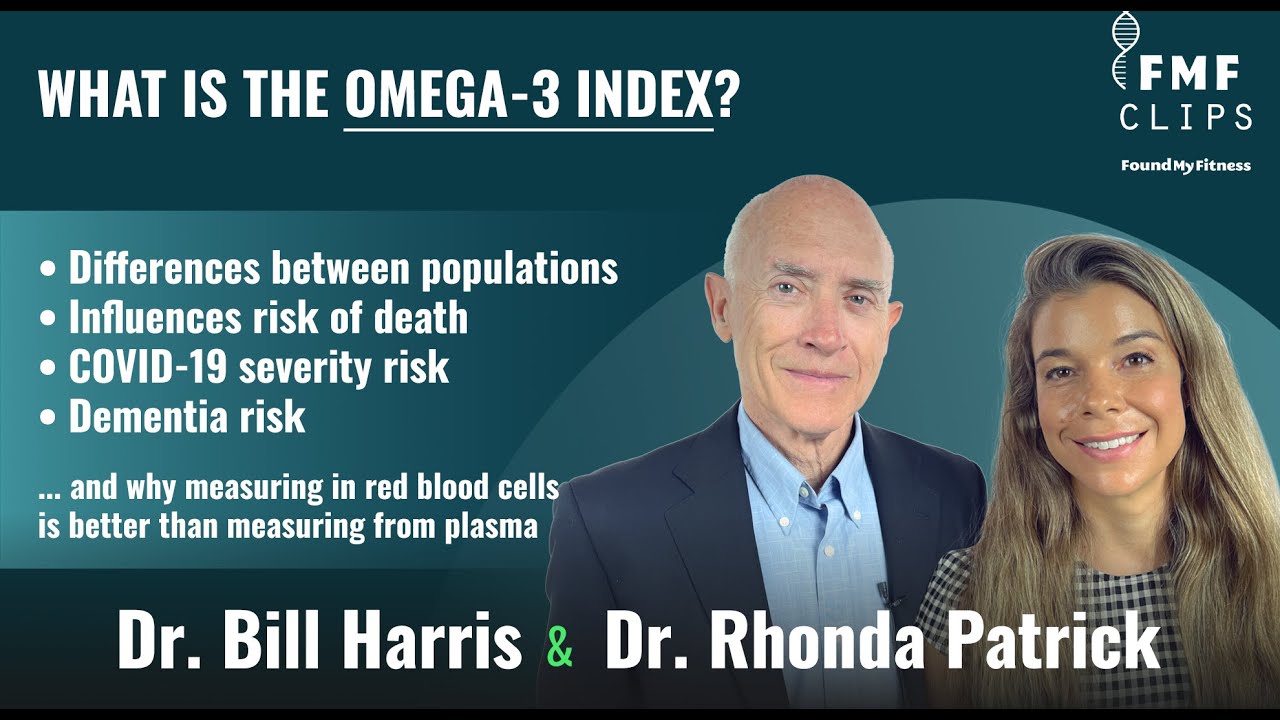
“When Dr. Bill Harris began researching omega-3 in the early 1980s, he was looking for an impact on cholesterol with what would be considered a high dose by today's standards: around 25 effective grams per day of omega-3 from salmon.”
Clip
“While both can be useful (depending on context), they have different implications: much like a person's glucose may fluctuate throughout the day, standard lab measures of omega-3 rely on plasma, biasing them to the content of a recent meal.”
Q&A
Dr. Rhonda Patrick answers audience questions on various health, nutrition, and science topics in this Q&A session.
Q&A
Dr. Rhonda Patrick discusses resistant starch, red light therapy risks, stem cells, and the link between benzodiazepines and dementia in her latest Q&A session.
Q&A
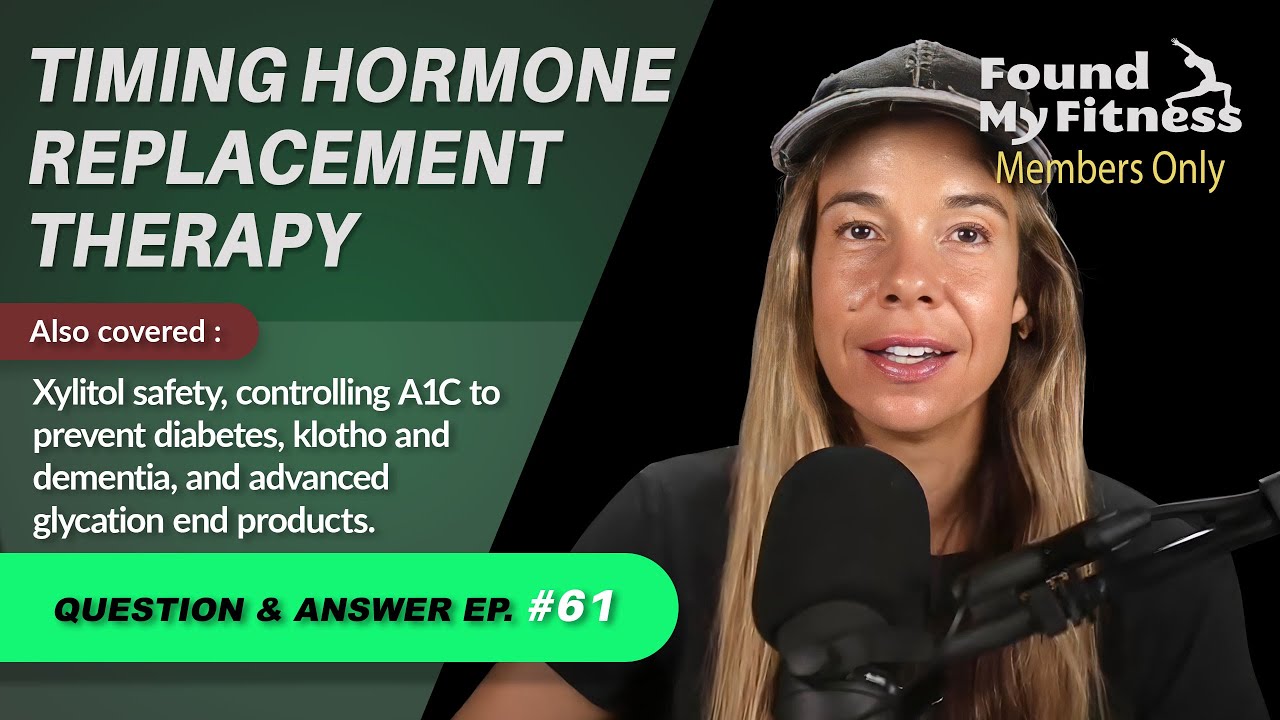
Dr. Rhonda Patrick discusses xylitol safety, strategies to reduce hemoglobin A1C, klotho and dementia risk, and the timing of hormone replacement therapy.
Episode
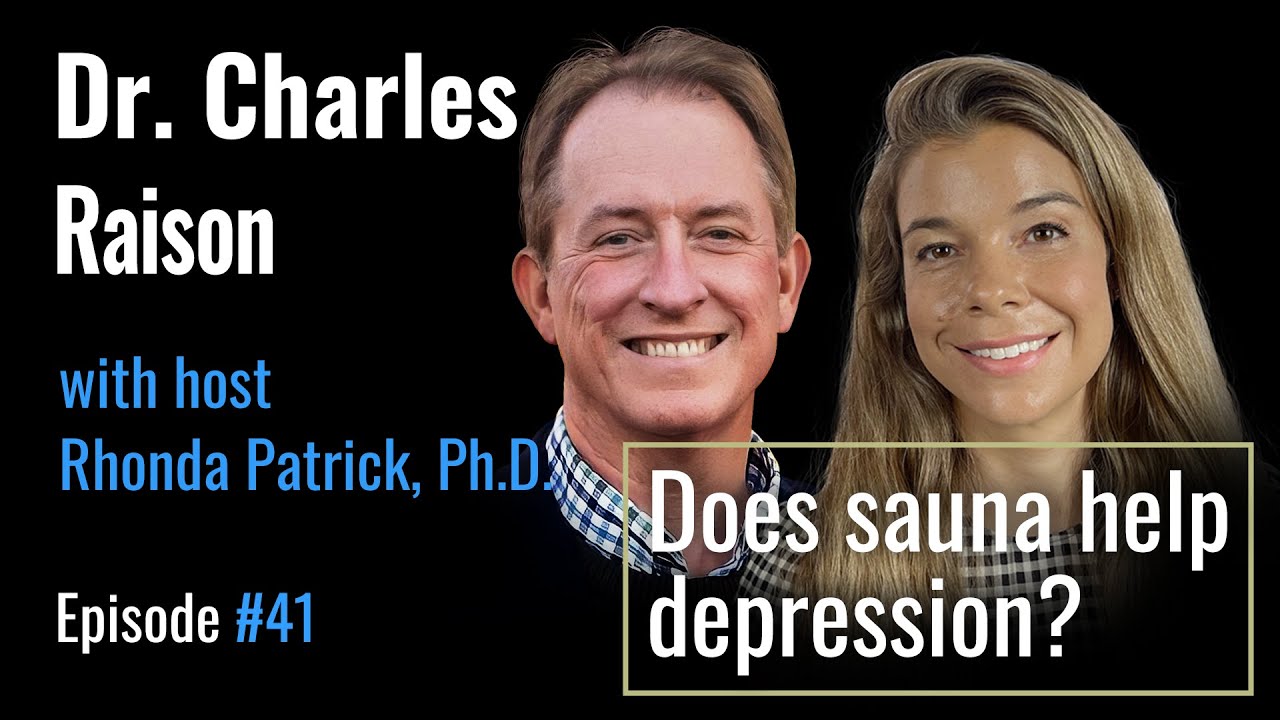
“In Dr. Raison’s randomized, double-blind study published in JAMA in 2016, it was shown that a single session of whole-body hyperthermia (core body temperature was elevated to 38.5 C) produced a significant antidepressant effect in people with major depressive disorder compared to those who received a sham control.”
Episode
“00:34:40 - Repeated traumatic brain injury has cumulative neuroinflammatory effects in the brain over years, including amyloid-beta plaque and tau tangle formation. Study. 00:44:00 - A variant of the APOE gene increases risk of developing Alzheimer’s disease as much as 15-fold.”
Results 361–370 of 412
Premium Members received this study with Rhonda’s practical commentary and 8+ other hand-picked papers. Get the Science Digest delivered every other week.
Every other week our Premium Members receive deep dives like this alongside Rhonda's commentary and 8+ other hand-picked papers.