Q&A
Q&A #67: Microdosing Nicotine—Focus, Addiction, Cardiovascular Risk, & Sleep
Dr. Rhonda Patrick discusses microdosing nicotine, GlyNac benefits, intermittent fasting and hair loss, and cold & flu relief.
FoundMyFitness library
Ranked by shared topics, with one result from each original episode.
Q&A
Dr. Rhonda Patrick discusses microdosing nicotine, GlyNac benefits, intermittent fasting and hair loss, and cold & flu relief.

Q&A
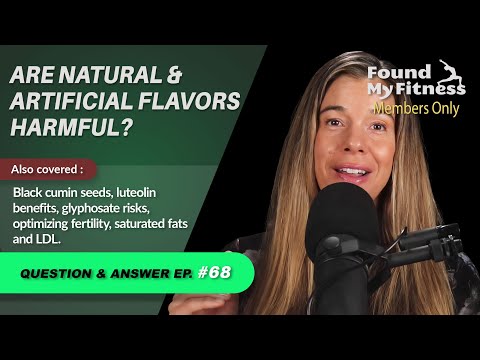
Dr. Rhonda Patrick discusses saturated fats and LDL, luteolin's benefits, glyphosate risks, natural vs. artificial flavors, and black cumin seed effects.
Q&A
Dr. Rhonda Patrick discusses fragmented sleep, lipid biomarkers including ApoB and LP(a), coffee makers and bean quality, and choline supplementation.
Q&A
Dr. Rhonda Patrick discusses iron imbalances, urolithin A, NAD+ boosters, vitamin K2 and hormone replacement therapy in women.
Q&A
Dr. Rhonda Patrick reviews the evidence for nattokinase, how oat beta-glucans may aid with PFAS excretion, and HRT for APOE4 carriers.
Q&A
Dr. Rhonda Patrick discusses organic produce, fasting-mimicking diets, sleep, sauna, sunscreens, red light therapy, reverse osmosis water, and fiber.
Q&A
Dr. Rhonda Patrick discusses urolithin A, postmenopausal protein, microplastics, high-temperature saunas, sugar intake, and supplements for Parkinson's disease.
Clip
“In this clip from Q&A #70, Dr. Rhonda Patrick organizes cancer prevention around the largest modifiable foundations: avoid tobacco, maintain a healthy body composition, and stay physically active.”
Clip
“In a small crossover trial involving people with insulin resistance, six one-minute intense intervals performed before the three main meals improved daily glucose control compared with one continuous 30-minute session.”
Episode
“In a previous episode, entitled "Maximizing Your Mitochondria with Magnesium," we learned that 45% of the US population is deficient in magnesium and the important role magnesium plays in mitochondrial function and how this relates to exercise performance by ensuring your muscle cells have the highest oxidative capacity (ability to produce ATP or "energy") possible.”