Q&A
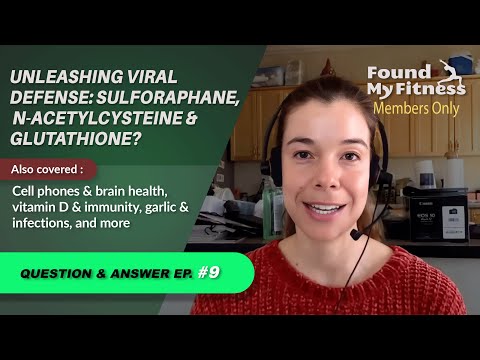
Q&A #9: Viral Defense—Sulforaphane, NAC, Glutathione, & Vitamin D
Dr. Rhonda Patrick answers audience questions on various health, nutrition, and science topics in this Q&A session.
FoundMyFitness library
Ranked by shared topics, with one result from each original episode.
Q&A
Dr. Rhonda Patrick answers audience questions on various health, nutrition, and science topics in this Q&A session.
Clip
“In humans, an analysis of 6,482 US adults associated higher fiber intake with lower serum concentrations of several persistent PFAS chemicals; the observational result does not prove that fiber caused clearance. Sauna is a different pathway, not a substitute for fiber.”
Clip
“A wide array of toxicants, including heavy metals, such as cadmium and mercury; bisphenol A; polychlorinated biphenyls; and phthalate compounds, bioaccumulate in the human body. An individual's toxic burden may contribute to their poor metabolic function, inflammation, and cognitive dysfunction.”
Clip
“In this clip from Q&A #70, Dr. Rhonda Patrick organizes cancer prevention around the largest modifiable foundations: avoid tobacco, maintain a healthy body composition, and stay physically active.”
Clip
In this clip, Dr. Patrick explains how intense exercise beneficially alters tryptophan and kynurenine metabolism in a way that may benefit depression.
Episode
“Removing former drinkers from the non-drinker category reveals a different story: One study observed that the lowest risk for cardiovascular disease (i.e., ischemic heart disease) was right below one standard U.S. drink per week — men and women at this level of consumption had an ~18% lower risk compared to nondrinkers.”
Clip
“Dr. Huberman’s practical range is deliberately cautious: not drinking avoids the exposure, and lower weekly intake creates less burden than a drink every night or heavier episodes.”
“A May 2025 Nature paper showed taurine uptake may fuel aggressive myeloid leukemias in laboratory and mouse models, illustrating how nutrients beneficial to healthy tissues may also feed certain cancers.”
“For example, sulforaphane promotes the urinary excretion of benzene and acrolein, toxic compounds present in air pollution. But sulforaphane also demonstrates remarkable antibacterial activity: It reduces populations of Helicobacter pylori, or H.”
“In this Aliquot, I break down what the research tells us about glyphosate exposure in farming communities versus the general population, explore how it may lead to DNA damage, and share practical strategies for reducing exposure—starting with your grocery list.”