Q&A
Q&A #20: Rhonda’s 2021 Supplement Routine—Omega-3 Dosing, Brands, & Safety
Dr. Rhonda Patrick answers audience questions on various health, nutrition, and science topics in this Q&A session.
FoundMyFitness library
Ranked by shared topics, with one result from each original episode.
Q&A
Dr. Rhonda Patrick answers audience questions on various health, nutrition, and science topics in this Q&A session.
Q&A
Dr. Rhonda Patrick answers audience questions on various health, nutrition, and science topics in this Q&A session.
Q&A
Dr. Rhonda Patrick answers audience questions on various health, nutrition, and science topics in this Q&A session.
Q&A
Dr. Rhonda Patrick answers audience questions on various health, nutrition, and science topics in this Q&A session.
Q&A
Dr. Rhonda Patrick answers audience questions on various health, nutrition, and science topics in this Q&A session.
Clip
“Dr. Panda discusses the effects of time-restricted feeding on systemic inflammation; time-restricted eating as an opportunity for night-time repair that may prevent intestinal hyperpermeability (i.e., leaky gut), a primary source of systemic inflammation; and how the timing of macronutrients may differentially affect gut permeability.”
Episode
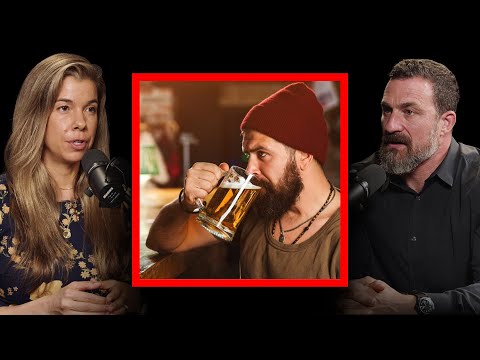
“Removing former drinkers from the non-drinker category reveals a different story: One study observed that the lowest risk for cardiovascular disease (i.e., ischemic heart disease) was right below one standard U.S. drink per week — men and women at this level of consumption had an ~18% lower risk compared to nondrinkers.”
Clip
“Dr. Huberman’s practical range is deliberately cautious: not drinking avoids the exposure, and lower weekly intake creates less burden than a drink every night or heavier episodes.”
“It has attracted interest for its potential to activate mitophagy, the process cells use to clear out damaged mitochondria. In this Aliquot, I explain why mitochondrial cleanup matters for aging, why urolithin A production varies, and what early human studies suggest about its potential benefits.”
“Poor sleep reduces the body's insulin sensitivity and changes a person's appetite, increasing the preference for high carbohydrate foods like pizza, pasta, and sweets. Lack of sleep also alters the gut microbiota and impairs immunity, putting us at risk for developing acute illnesses like colds and flu.”