Q&A
Q&A #49: How Can You Lower ApoB With APOE4—and Can You Slow or Reverse Gray Hair?
Dr. Rhonda Patrick answers audience questions on various health, nutrition, and science topics in this Q&A session.
FoundMyFitness library
Ranked by shared topics, with one result from each original episode.
Q&A
Dr. Rhonda Patrick answers audience questions on various health, nutrition, and science topics in this Q&A session.
Q&A
Dr. Rhonda Patrick explores taurine's longevity role, cocoa flavanols, training adaptations, and oral hyaluronic acid in a Q&A.
Q&A
Dr. Rhonda Patrick discusses xylitol safety, strategies to reduce hemoglobin A1C, klotho and dementia risk, and the timing of hormone replacement therapy.
Q&A
“This is a personal preparation example, not the high-dose oat regimen used in clinical research or a measured 3-gram beta-glucan serving. For the research on LDL cholesterol, microbial metabolites, and oat preparation, see Oats and beta-glucan.”
Q&A
Dr. Rhonda Patrick reviews the evidence for nattokinase, how oat beta-glucans may aid with PFAS excretion, and HRT for APOE4 carriers.
Q&A
Dr. Rhonda Patrick discusses sunscreen safety, HIIT & brain health, diet, omega-3s, urolithin A, sulforaphane, homocysteine, peptides, and CoQ10.
Episode
“In this episode, Rhonda gives a summary of the science of resveratrol including its effects in animals and humans, the mechanisms behind how it works, and the bottom line on resveratrol supplementation and safety. A few key moments... For a more in-depth timeline, as well as references for this episode, click the timeline tab. Learn more about resveratrol on our overview page”
Episode
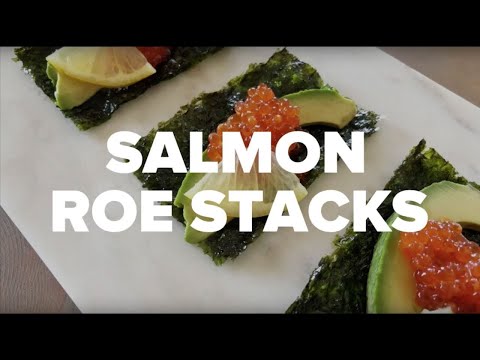
“Not only is salmon roe a good source of DHA, it also provides protein, vitamins, minerals, and astaxanthin – an antioxidant compound that gives salmon its reddish or pinkish tint. In human studies, astaxanthin reduces biomarkers of oxidative stress.”
Episode
“Although the findings of a large meta-analysis published in the journal Annals of Internal Medicine indicated that there was no evidence to support the notion that consumption of saturated fat increased the risk of heart disease, the studies on which their conclusions were based were primarily observational.”
Clip
“The comparison depends on what a dietary fat replaces. Randomized trials show that replacing palmitic acid, a common saturated fat, with unsaturated fats lowers LDL cholesterol and apolipoprotein B without a consistent effect on glucose, insulin, or C-reactive protein.”