Q&A
Q&A #6: Fasting, Omega-3s, & Continuous Glucose Monitoring
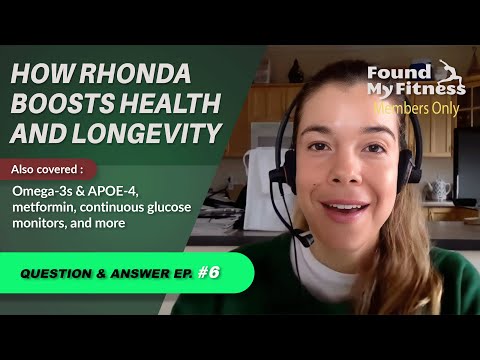
Dr. Rhonda Patrick answers audience questions on various health, nutrition, and science topics in this Q&A session.
FoundMyFitness library
Ranked by shared topics, with one result from each original episode.
Q&A
Dr. Rhonda Patrick answers audience questions on various health, nutrition, and science topics in this Q&A session.
Q&A
Dr. Rhonda Patrick discusses Akkermansia muciniphila, vitamin B1's effect on blood sugar, emulsifiers in food, and electrolyte supplements.
Q&A
Dr. Rhonda Patrick covers lithium microdosing, reducing homocysteine, aluminum's link to cancer, and beta-alanine and alpha-lipoic acid supplements.
Q&A
Dr. Rhonda Patrick discusses supplement timing, exercise timing, supplements in older adults, folic acid vs. folate, and hydrogen-rich water.
Q&A
Dr. Rhonda Patrick discusses nicotinamide riboside, biomarkers, belly fat loss, sex-specific health, curcumin & ashwagandha safety.
Q&A
Dr. Rhonda Patrick reviews the evidence for nattokinase, how oat beta-glucans may aid with PFAS excretion, and HRT for APOE4 carriers.
Q&A
Dr. Rhonda Patrick discusses sunscreen safety, HIIT & brain health, diet, omega-3s, urolithin A, sulforaphane, homocysteine, peptides, and CoQ10.
Episode
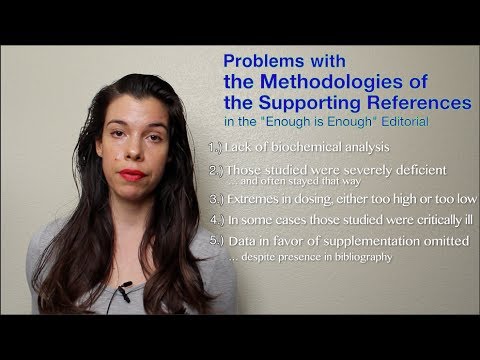
“In this podcast, we discuss and critically analyze a recent headline-grabbing editorial that was published in the Annals of Internal Medicine that reviewed three studies on the topic of multivitamins and chronic disease prevention. We analyze the important shortcomings of the studies and talk about the mechanism.”
Episode
“In this episode, Rhonda gives a summary of the science of resveratrol including its effects in animals and humans, the mechanisms behind how it works, and the bottom line on resveratrol supplementation and safety. A few key moments... For a more in-depth timeline, as well as references for this episode, click the timeline tab. Learn more about resveratrol on our overview page”
Episode
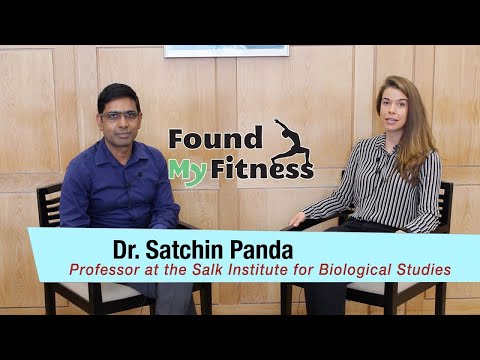
“Satchin's work deals specifically with the timing of food and its relationship with our biological clocks, which are governed by a circadian rhythm. "Mice that ate within a 12-hour time period had 70% less fat and 28% less total body mass.".”