Q&A
Q&A #20: Rhonda’s 2021 Supplement Routine—Omega-3 Dosing, Brands, & Safety
Dr. Rhonda Patrick answers audience questions on various health, nutrition, and science topics in this Q&A session.
Search could not finish. Try again.
Found 156 matches across the FoundMyFitness library.
Q&A
Dr. Rhonda Patrick answers audience questions on various health, nutrition, and science topics in this Q&A session.
Q&A
Dr. Rhonda Patrick explores blood tests to track health, statin alternatives, mitochondrial supplements, and vitamin B12 and autism risk in her latest Q&A.
Episode
Dr. Michael Snyder discusses personalized medicine and the use of technologies that monitor metabolism and other health markers.
Q&A
Dr. Rhonda Patrick answers audience questions on various health, nutrition, and science topics in this Q&A session.
Q&A
Dr. Rhonda Patrick explores iodine supplementation, choline & TMAO, curcumin safety, and red yeast rice in her latest Q&A.
“There have been multiple studies that have now found psilocybin appears to have a positive effect on well-being and improve symptoms of depression possibly through its effects on the serotonin receptor.”
Episode
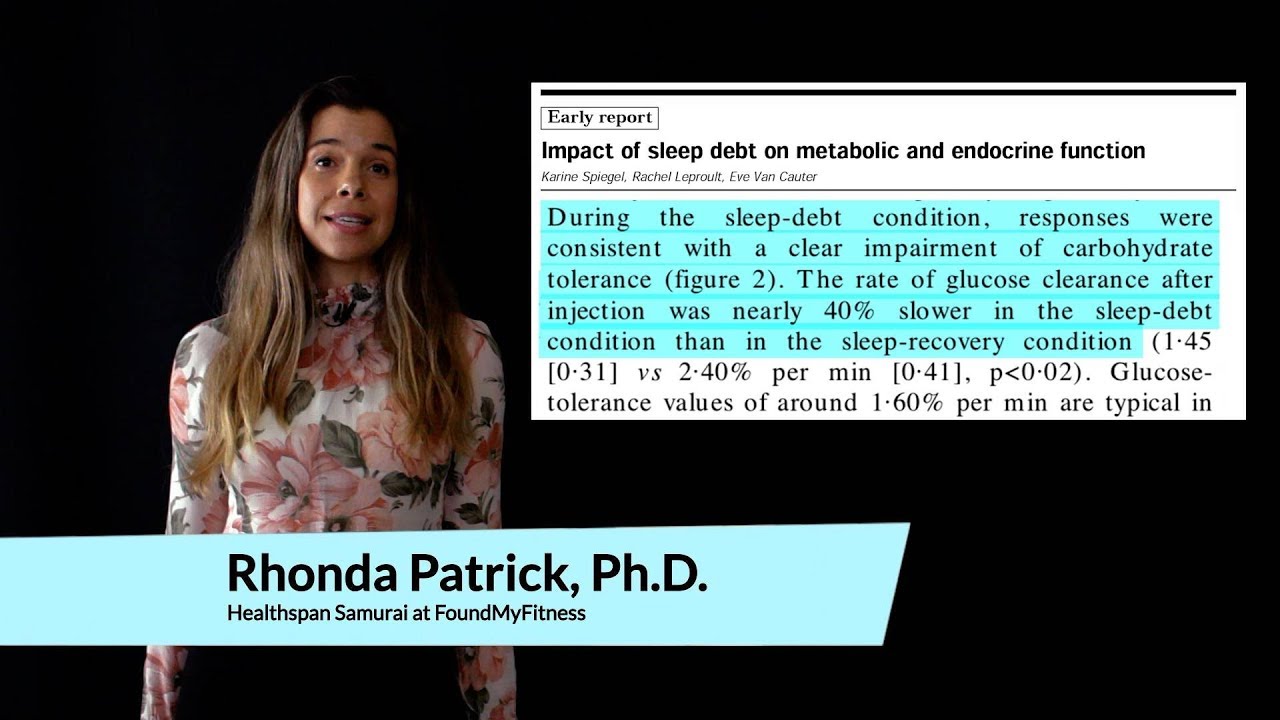
“When most people think about certain lifestyle factors that affect insulin sensitivity and blood glucose levels, they think about macronutrient composition, or calories, or fasting, or exercise (and lack of), but they don’t often think about sleep.”
Episode
“2003 According to Luc van Loon, 0.8 g/kg/day represents the minimum protein requirement to stay in nitrogen balance for a diet that is provided for 1–2 weeks, but this is not the protein requirement for optimal health, nor does it account for individual variations in protein needs due to age, physical activity levels, and health status.”
Episode
“Rhonda and Steve discuss calorie restriction, GLP-1 therapy, multivitamins, omega-3s, vitamin D, vegetables, red meat, exercise, heat exposure, sleep, social connection, consumer testing, AI-built clocks, partial reprogramming, and why no single intervention is likely to stop aging on its own.”
Episode
“Study. 01:43:00 - High animal protein intake was only positively associated with cardiovascular mortality among individuals with at least one unhealthy lifestyle risk factor, such as obesity or sedentary lifestyle. Study.”
Results 141–150 of 156
Premium Members received this study with Rhonda’s practical commentary and 8+ other hand-picked papers. Get the Science Digest delivered every other week.
Every other week our Premium Members receive deep dives like this alongside Rhonda's commentary and 8+ other hand-picked papers.