How sauna mimics cardiovascular exercise: a comparison to stationary bike | Rhonda Patrick
Get the full length version of this episode as a podcast.
This episode will make a great companion for a long drive.

The BDNF Protocol Guide
An essential checklist for cognitive longevity — filled with specific exercise, heat stress, and omega-3 protocols for boosting BDNF. Enter your email, and we'll deliver it straight to your inbox.
You'll also receive updates from Rhonda & FoundMyFitness
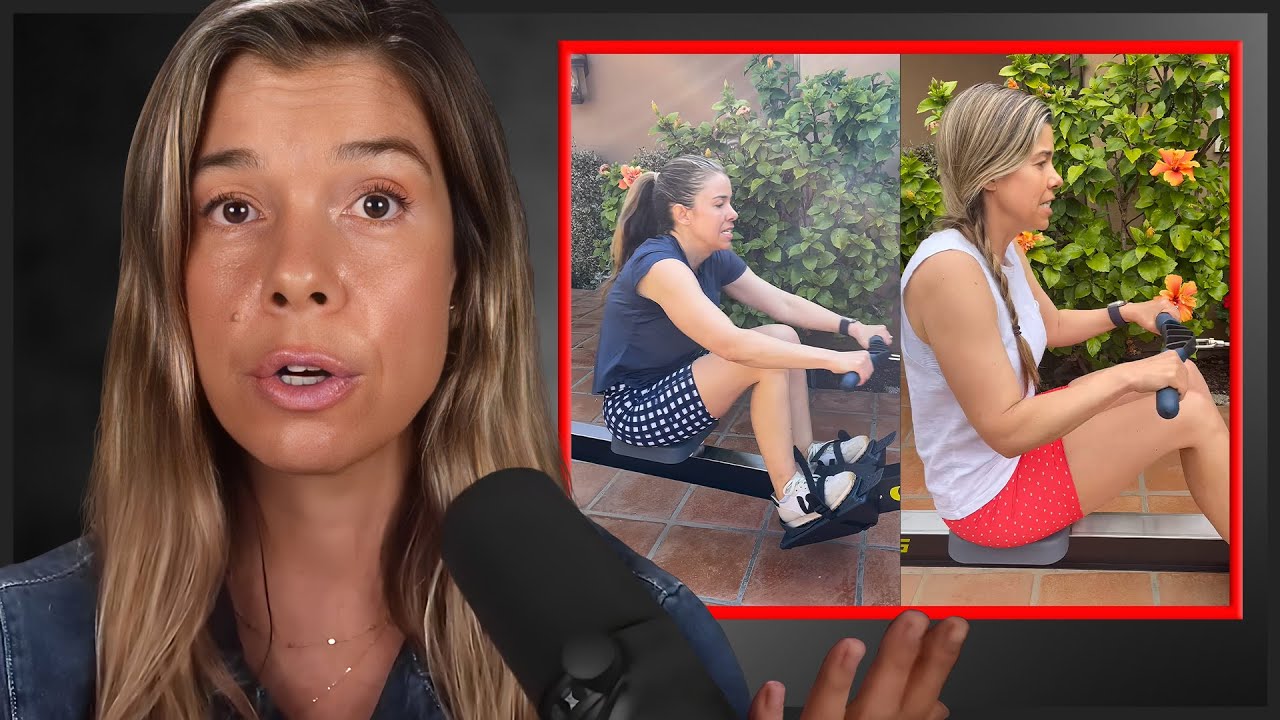
Exciting new research suggests that the positive effects of sauna bathing may mimic those of moderate-intensity aerobic exercise. During sauna use, heart rate, and blood pressure rise, returning to below baseline levels after the session. In this clip, Dr. Rhonda Patrick describes how the physiological effects observed during sauna use are comparable to those that occur during physical exercise.
I would say that some of the most exciting things that have come out in the last year or so have been that a lot of these positive effects on the sauna on heart health, also even on brain health, you know, are very similar to what's seen with regular exercise, right? Physical exercise, which is not that surprising because what happens when you're exercising? You're raising your core body temperature, right? You're getting hot. So your skin— Heart rate goes up. Exactly. So these are the things that happen. Your skin and core body temperature rise. There's like a 50 to 70% redistribution of your blood flow. Away from the core all the way to your skin and the reason for that is to facilitate sweating.
You start to sweat, your heart rate increases up to 150 beats per minute, you know, so all this stuff is very similar. Well, there was a study that came out that showed in fact that's exactly what happens. The sauna has been shown to mimic some of the effects of moderate-intensity aerobic exercise. So a 25-minute sauna was comparable to 25 minutes doing like 100 watts on a stationary bike. And, it improved both blood pressure and also lowered heart rate after. So, during the— obviously, during the activity, heart rate increased and blood pressure increased in both instances. But then, immediately after, heart rate dropped below baseline levels and also blood pressure dropped below baseline levels. It's been shown to really mimic that effect that cardiovascular exercise has.
I was just gonna say, you mentioned 150 beats a minute in the sauna. Like, who gets that high? I can sit in there for 20 minutes at 175 and I don't even Oh, really? Yeah. How high do you get? About a 120. So I— so I usually sit in— and the sauna I'm going in is— is probably around 168 because it's— it's not— it's not one that's going up to 174. And I stay in for about 30 minutes. And at the end of 30 minutes, you're at how many beats? Clo— I probably get close to around 120, close to it. I've seen that go down over time though as my body gets more and more used to it. You adapt. Yeah.
Important for the endocrine enhancing properties of exercise. Exerkines are exercise-induced hormonal-like factors which mediate the systemic benefits of exercise through autocrine, paracrine, and/or endocrine properties.[1]
- ^ Helge, Jørn Wulff; Moritz, Thomas; Morville, Thomas; Clemmensen, Christoffer; Dela, Flemming (2020). Plasma Metabolome Profiling Of Resistance Exercise And Endurance Exercise In Humans Cell Reports 33, 13.
Hear new content from Rhonda on The Aliquot, our member's only podcast
Listen in on our regularly curated interview segments called "Aliquots" released every week on our premium podcast The Aliquot. Aliquots come in two flavors: features and mashups.
- Hours of deep dive on topics like fasting, sauna, child development surfaced from our enormous collection of members-only Q&A episodes.
- Important conversational highlights from our interviews with extra commentary and value. Short but salient.